Why Do Plants Have Different Names? Simple Guide for Beginners
Have you ever searched for “Pothos care” online and gotten completely different advice?
Or walked into a garden center and seen the same plant labeled three different ways?
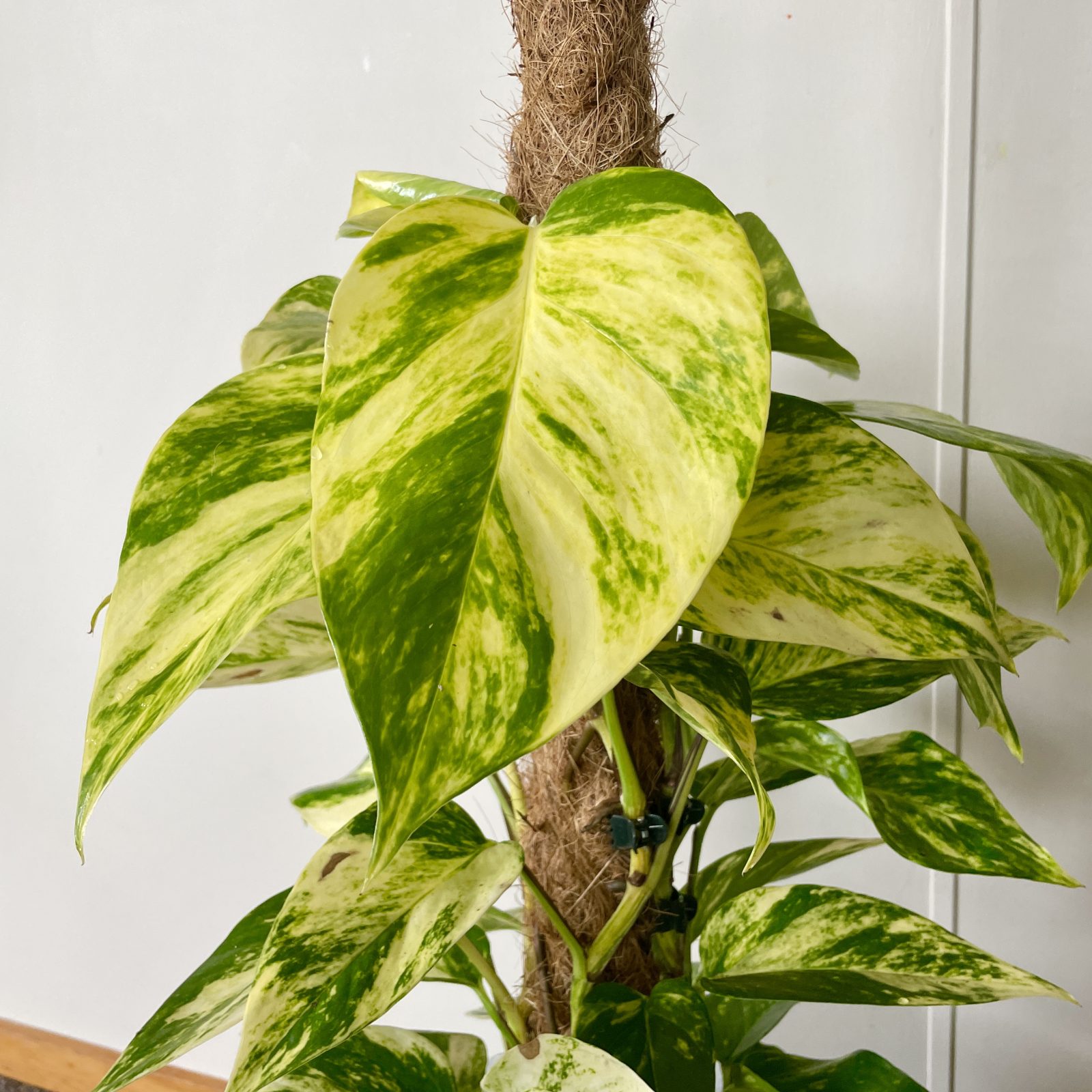
You’re not alone. Plant naming is confusing—and it’s not your fault. The same plant can be called “Devil’s Ivy,” “Money Plant,” “Hunter’s Robe,” “Ceylon Creeper,” or “Golden Pothos” depending on where you shop or who you ask.
So which name is “right”? And why does it even matter? Let’s solve this once and for all.
Why the Confusion Exists
Here’s the thing: common names are regional. What Kiwis call one thing, Americans might call something completely different. A plant shop in Auckland might label it “Devil’s Ivy,” while a shop in Australia calls it “Golden Pothos.”
Both are correct. Both are also useless if you’re trying to research how to care for the actual plant you bought.
This is where scientific names come in.
The One Name That Actually Matters
Every plant has ONE scientific name that’s used worldwide. It doesn’t change based on location, language, or what the shop owner decides to call it.
For that “Devil’s Ivy” / “Money Plant” / “Golden Pothos”?
The scientific name is Epipremnum aureum.
That name stays the same:
- Whether you’re in New Zealand, the UK, or the US
- Whether you’re searching online or asking at a nursery
- Whether the common name is trendy or old-fashioned
Search “Epipremnum aureum care” and you’ll get consistent, accurate advice. Search “Money Plant care” and you might get info for a completely different plant.
How Scientific Names Work (The Basics)
Scientific names have two parts:
Genus (first word) – The plant family
Species (second word) – The specific type
Think of it like a surname and first name, but backwards.
Example:
- Monstera deliciosa – The specific Monstera you’re thinking of (Swiss cheese plant)
- Monstera adansonii – A different Monstera with smaller holes
Both are Monsteras (same genus), but they’re different species with different care needs.
If you only know the genus, you’re halfway there. But knowing both genus AND species means you can find the exact care information your specific plant needs.
Why This Matters For You
When you walk into a shop and see a plant labeled with three different common names, you might think “close enough—they’re all the same plant, right?”
Sometimes yes. Sometimes no.
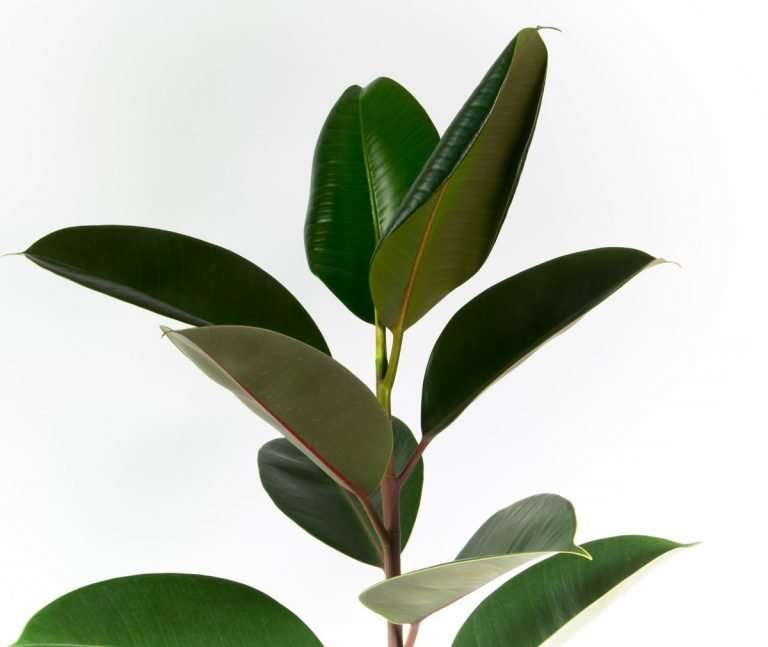
“Rubber Plant” could mean:
- Ficus elastica (the classic rubber tree)
- Peperomia obtusifolia (baby rubber plant – completely different care)

Buy the wrong one thinking they’re the same? They have the same have thick, glossy, oval-shaped leaves and both have that rubbery/waxy texture, so shoudl be the same care?
Well these plants require a differnce in care.
It’s not your fault. The naming is genuinely confusing.
But once you know how to spot the scientific name, you can shop with confidence.
What To Do Next Time You Shop
Next time you’re at a garden center:
Look for the small tag with the scientific name (usually in italics or smaller text).
Take a photo of that tag with your phone.
Search that scientific name when you get home for accurate care info.
That’s it. You don’t need to memorize Latin or become a botanist. You just need to know that ONE name is consistent, and the other ten names are just marketing.