
10 Hidden Gem Trailing Plants You Need in Your Home
Trailing houseplants are especially popular in New Zealand homes because they make the most of vertical space while adding lush greenery indoors.
Did you know trailing plants are some of the few houseplants that actually want to climb or creep? They’re not trying to take over your space (well, maybe a little), but in the wild these plants naturally latch onto trees or rocks to reach better light and sometimes even pockets of moisture and nutrients. Indoors, they look just as incredible spilling off a shelf, tumbling from a hanging basket, or softening an empty corner of a room.
The best part? Trailing plants don’t just hang down looking pretty — they constantly push out new leaves and growth, making them endlessly fascinating to watch. Here are 10 hidden gem trailing plants that deserve a spot in your home.
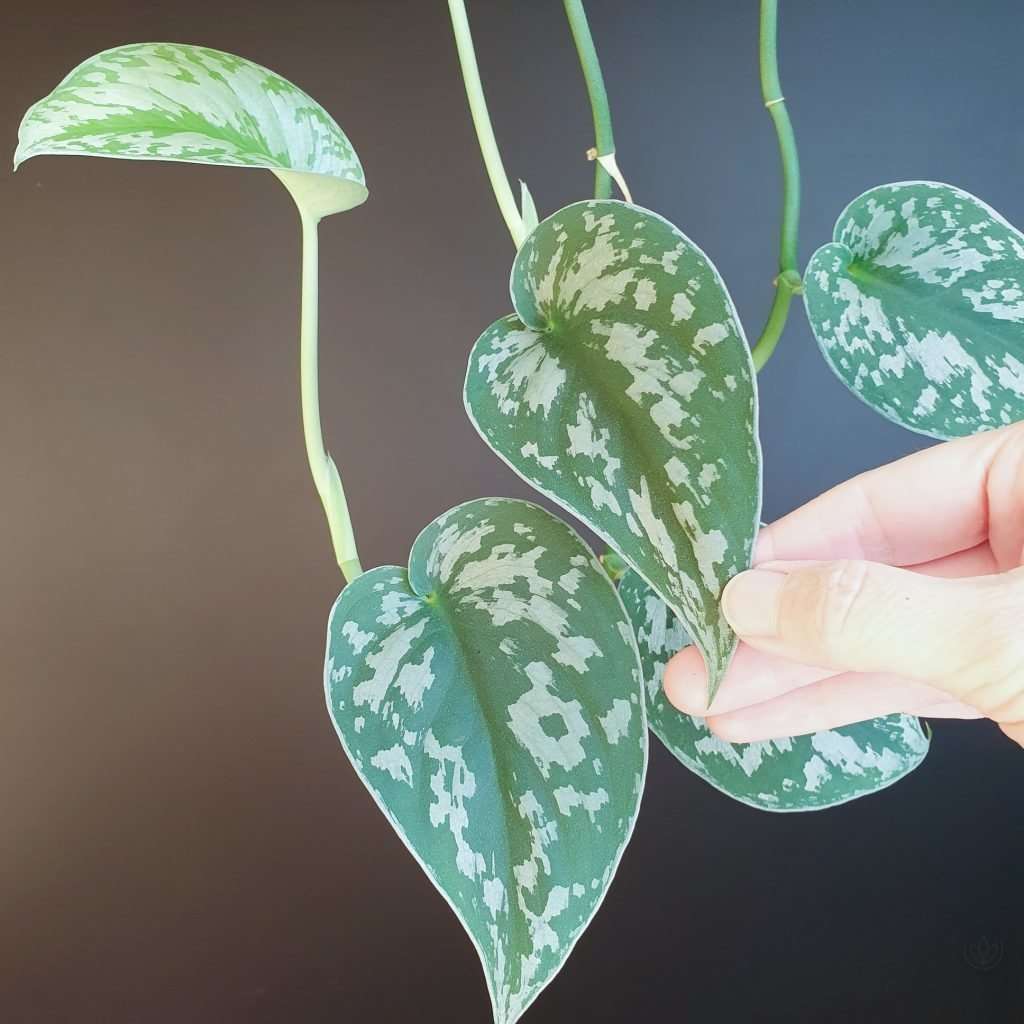
1. Scindapsus pictus ‘Trebie’ (a.k.a. ‘Exotica’)
- Family: Araceae
- Genus: Scindapsus
- Why it’s special: This beauty has large, blue-green leaves with heavy silver variegation and a satin-like texture. Unlike many softer-leaved trailing plants, the leaves here feel firmer, almost leathery and satin.
- Style tip: Perfect for spaces with grey tones in your décor—the silver variegation pulls the whole look together.
- Note: Often mislabeled as Epipremnum pictum, but botanically it’s Scindapsus pictus.
2. Scindapsus pictus ‘Argyraeus’

- Family: Araceae
- Genus: Scindapsus
- Why it’s special: Smaller leaves than ‘Trebie,’ with subtle silver speckling instead of heavy patches. It grows faster and cascades more freely, so if you want that lush, draping look quickly—this is your pick.
- Common names: Satin Pothos, Silver Vine, Silver Philodendron (though it’s neither a Pothos nor a Philodendron—confusing, right?).
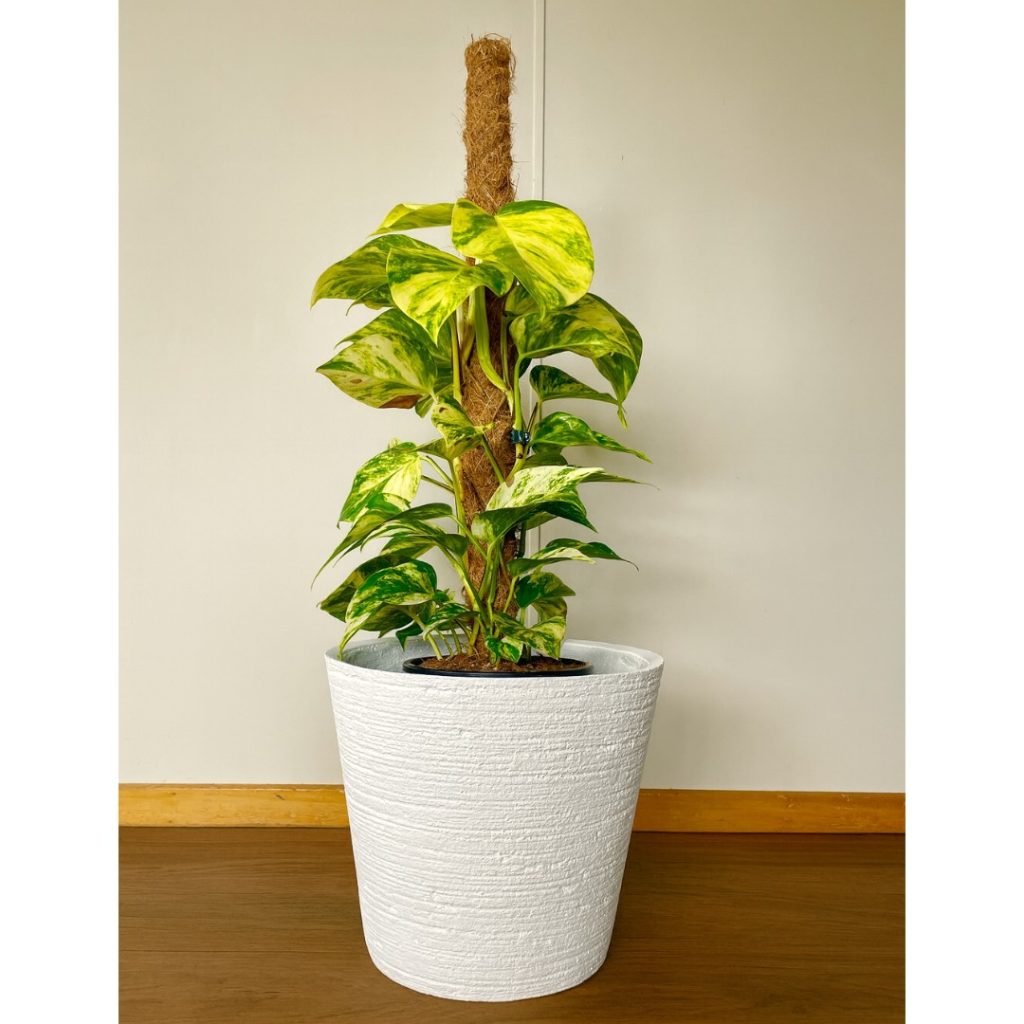
3. Golden Pothos (Epipremnum aureum)
- Family: Araceae
- Genus: Epipremnum
- Why it’s special: The classic houseplant hero. Glossy green heart-shaped leaves streaked with golden yellow. Fast-growing, forgiving, and will happily trail meters long indoors. Love it or hate it, you cant help to admire its golden colours.
- Fun fact: Known as Devil’s Ivy, Money Plant, or Scindapsus aureus (an outdated synonym). Its ability to survive neglect is why it’s earned “devilish” status—it’s nearly impossible to kill.
4. Heartleaf Philodendron (Philodendron hederaceum, syn. scandens)

- Family: Araceae
- Genus: Philodendron
- Why it’s special: Smooth, glossy, heart-shaped leaves in a rich, deep green. Extremely popular in offices and homes because it adapts to low light. This plant is giving you love hearts.
- Common names: Sweetheart Plant, Heartleaf Philodendron, Cordatum.
- Care tip: Thrives in bowls, hanging baskets, or climbing a moss pole.
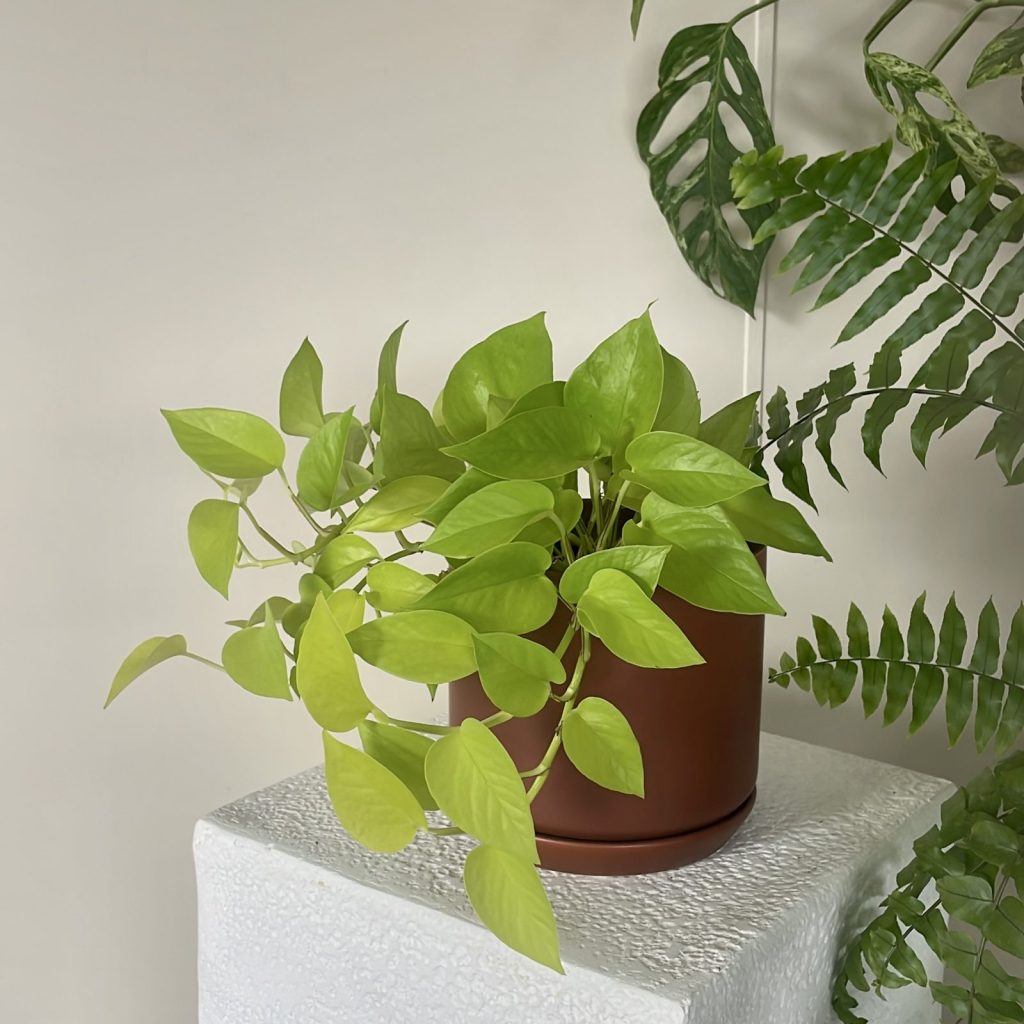
5. Neon Pothos (Epipremnum aureum ‘Neon’)
- Family: Araceae
- Genus: Epipremnum
- Why it’s special: A showstopper with chartreuse, almost glowing neon foliage. The spear-shaped leaves stay more compact, making it perfect for shelves where you want a bright pop.
- Confusion alert: There is also a Philodendron hederaceum ‘Neon’. Compare leaves—Pothos has thicker, waxier leaves with a ridge on the petiole; Philodendron’s are thinner and softer.
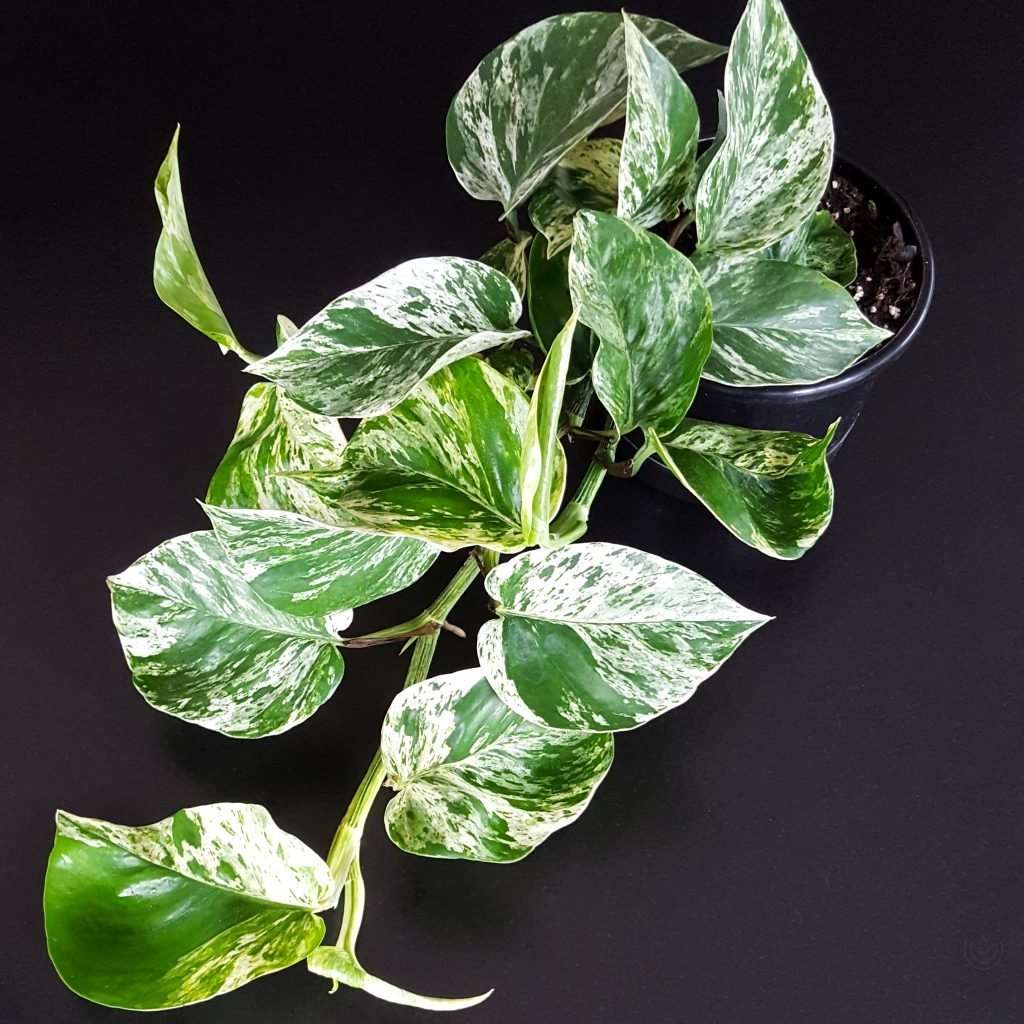
6. Marble Queen Pothos (Epipremnum aureum ‘Marble Queen’)
- Family: Araceae
- Genus: Epipremnum
- Why it’s special: You will marvel in beauty with its white and green marbled foliage—like cream swirling through green. Slow-growing compared to Golden Pothos, but worth it for the elegant variegation.
- Style tip: Perfect for bright kitchens and bathrooms where the lighter tones shine against tiled or neutral backgrounds.
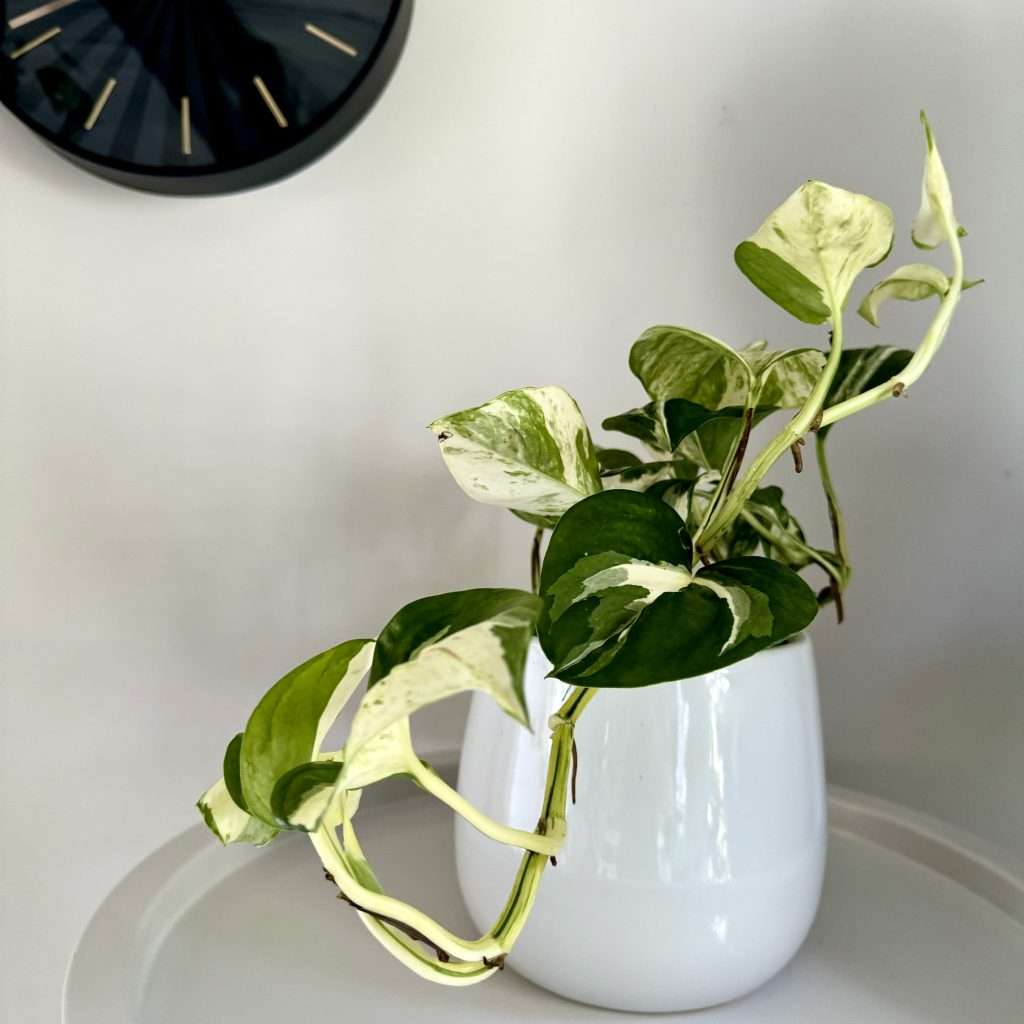
7. Manjula Pothos (Epipremnum aureum ‘Manjula’)
- Family: Araceae
- Genus: Epipremnum
- Why it’s special: A rare collector’s vine with large, wavy-edged leaves splashed in white, cream, and green. Each leaf looks painted by hand—no two are the same.
- Growth: Can trail or climb up to 6 feet indoors. Slightly fussier than Golden Pothos—give it consistent, indirect light.
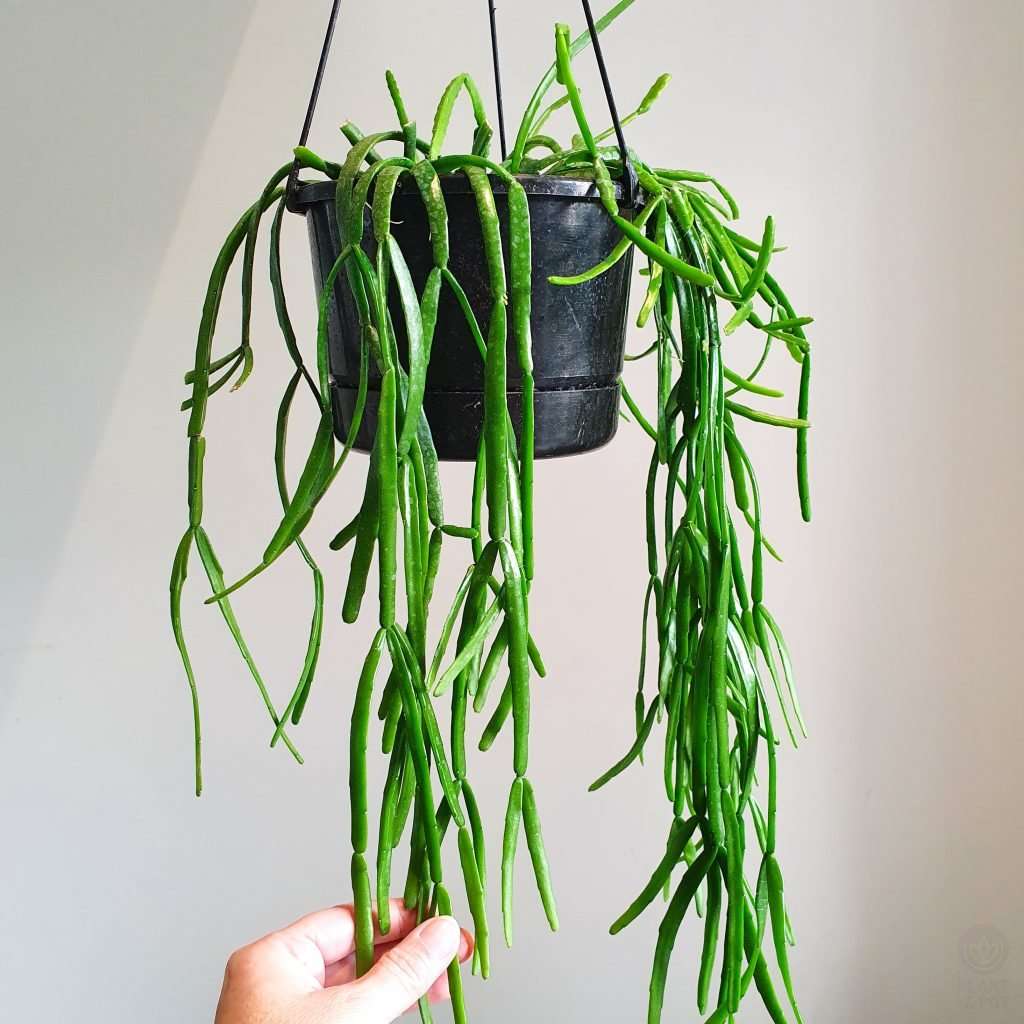
8. Rhipsalis (Mistletoe Cactus)
- Family: Cactaceae
- Genus: Rhipsalis
- Why it’s special: Unlike desert cacti, Rhipsalis are jungle epiphytes—found dangling from tree branches in rainforests. Thin, spaghetti-like stems cascade dramatically, giving off a retro, boho vibe. Who would have thought, a trailing Cacti.
- Fun fact: The only cactus genus naturally found outside the Americas (some species are native to Africa and Asia too).
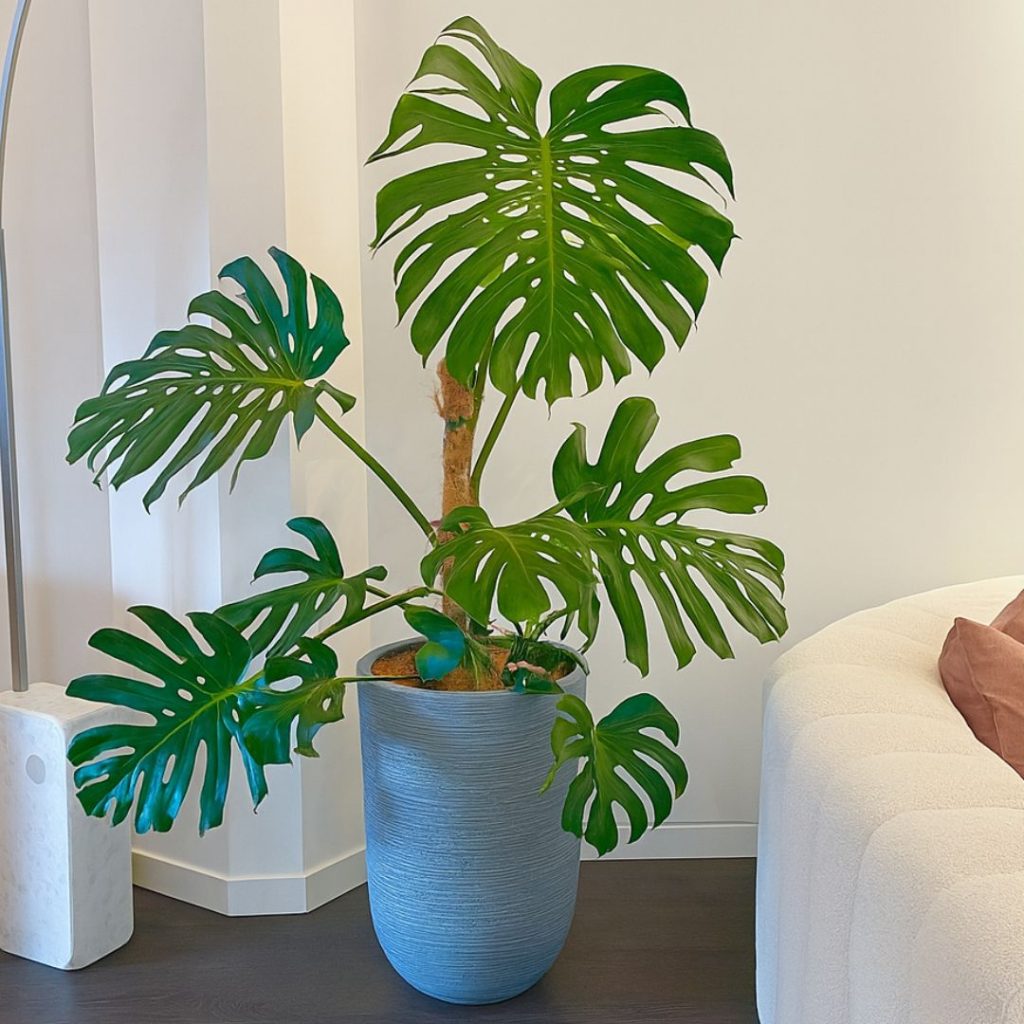
9. Monstera deliciosa
- Family: Araceae
- Genus: Monstera
- Why it’s special: Technically a climber, but indoors it often trails sideways before finding something to cling to. Famous for its huge split leaves, it will turn your space into a jungle in no time.
- Alternative: Monstera adansonii (a.k.a. Monkey Mask) is a more compact, trailing version with perforated leaves that cascade beautifully from a hanging pot.

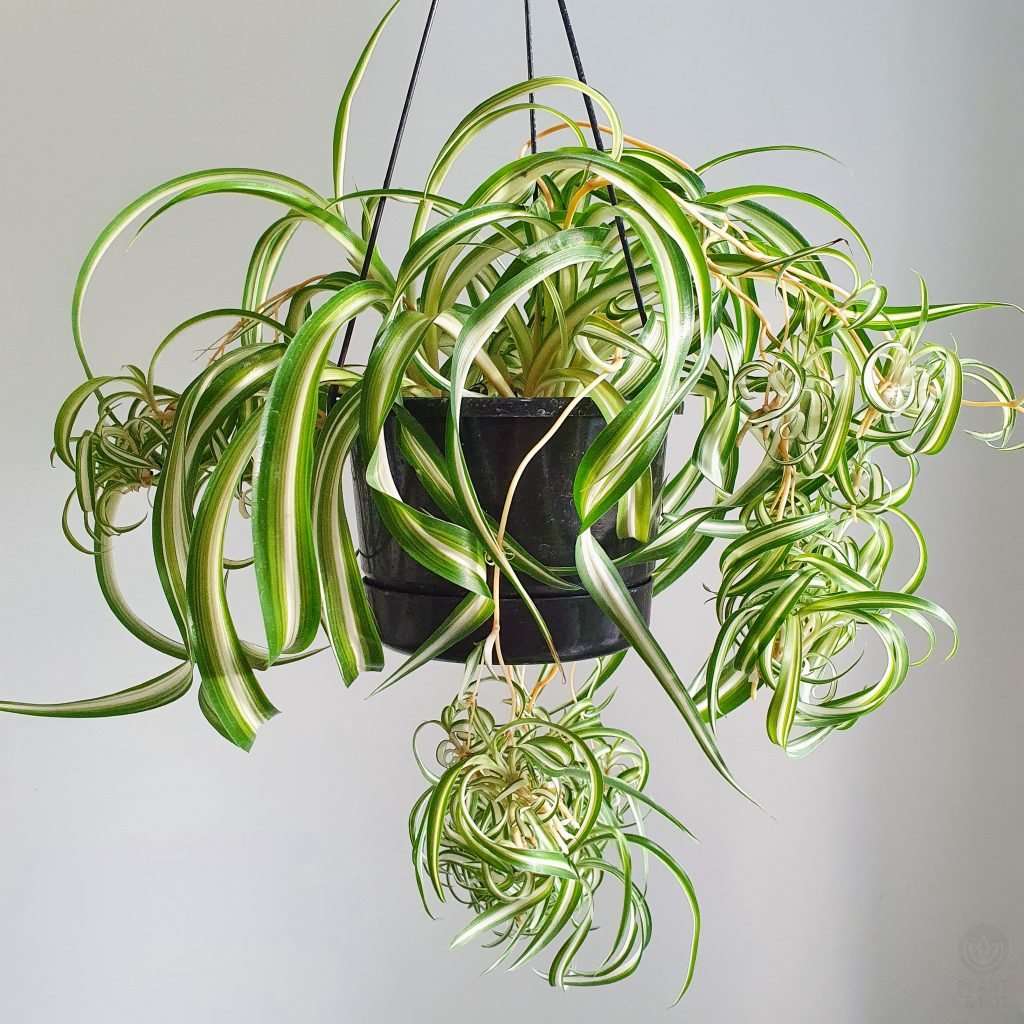
10. Spider Plant (Chlorophytum comosum)
• Family: Asparagaceae
• Genus: Chlorophytum
• Why it’s special:
This plant can sometimes startle you if you catch its shadow in the background — it can look just like a spider hanging there! That’s actually where the name comes from. Spider Plants produce long arching stems that grow little baby plants called pups. As they mature, the pups dangle down, creating that beautiful cascading trailing effect.
• Propagation:
Spider Plants are one of the easiest houseplants to propagate. When the plant produces pups, they often already have tiny roots forming. Simply snip the baby off and place it into moist soil. Within no time you’ll have a brand new plant growing.
Why climbing matters (leaf size & growth habit)
Trailing plants are naturally scandent climbers. When they attach to a support, their leaves often grow much larger and take on more mature forms (fenestrations in Monstera, exaggerated variegation in Epipremnum). Without support, they remain in their “juvenile” trailing state with smaller leaves. This isn’t a problem—it just depends on whether you want compact draping vines or bold, oversized leaves. Let your plant trail freely. At the end of the day, it’s simply searching for one thing: light.
Conclusion
So there you have it: 10 hidden gem trailing plants that not only hang loose but also bring beauty, texture, and easy care into your home. Most are part of the Araceae family, which explains their similar needs—bright, indirect light, moderate watering, and humidity. The exception, Rhipsalis, comes from the Cactaceae family, proving that even cacti can surprise us by loving to cascade.
Trailing plants are versatile, forgiving, and endlessly stylish. Whether you want rainforest vibes, neon glow, or marble elegance, there’s a trailing gem waiting to dress up that lonely shelf or corner in your home.
Let your plants be the designer.
If you’re looking to soften shelves, brighten a corner, or create a living cascade, trailing indoor plants are one of the easiest ways to bring life into your home.
Frequently Asked Questions
Why do trailing plants grow toward the window?
Trailing plants grow toward light because plants naturally follow light sources through a process called phototropism.
Can trailing plants grow in low light?
Many trailing plants tolerate medium or lower light, but they will grow fuller and healthier in bright indirect light.
Do trailing plants need to climb?
Some trailing plants like pothos and monstera will produce larger leaves when climbing, but they can also trail beautifully from shelves and hanging baskets.
How often should trailing plants be watered?
Most trailing houseplants prefer their soil to dry slightly between waterings. Overwatering is usually a bigger problem than underwatering.