
The Hidden Pharmacy in Your Living Room
Scientists Discover 40+ Medicinal Compounds Inside Fiddle Leaf Figs
Your trendy fiddle leaf fig isn’t just Instagram-worthy décor. Groundbreaking research published in July 2025 reveals that these popular houseplants are actually sophisticated chemical factories, producing over 40 medicinal compounds that scientists are studying for their remarkable health benefits.
At Plant & Pot NZ, we have always known there was something special about fiddle leaf figs. But this new research has completely changed how we think about these plants – and it should change how you think about yours too.
The Discovery That’s Changing Everything
Researchers from the National Research Centre in Egypt made a stunning discovery when they analyzed fiddle leaf fig bark using advanced HPLC-ESI-MS/MS technology (essentially molecular fingerprinting). What they found was extraordinary:
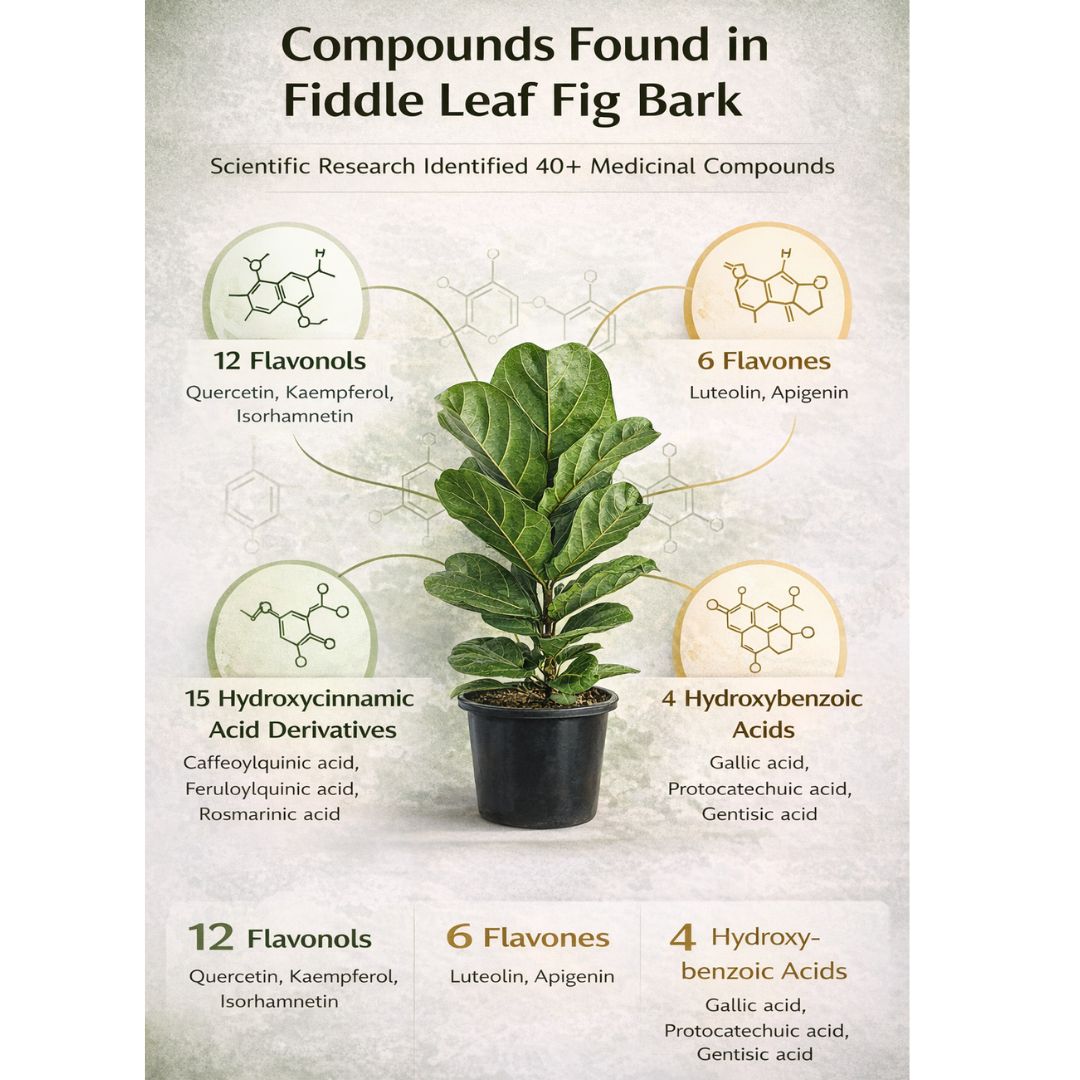
These findings might provide clear evidence supporting the potential therapeutic application of F. lyrata extract in the management of NAFLD and its associated metabolic syndrome.” – Research Team, BMC Complementary Medicine and Therapies
But Wait – Do My Houseplants Really Have These Compounds?
This is the first question every plant parent asks, and the answer is fascinating: Yes, but not quite like you might think.
YES – your fiddle leaf fig contains the exact same 40+ medicinal compounds as the wild trees scientists studied.
Your plant has identical DNA, so it produces all the same chemicals: quercetin, kaempferol, ferulic acid, and every single one of the other compounds. The genes are exactly the same.
But here’s the key difference: It’s the concentrations that vary dramatically.
Think of it like identical twin bodybuilders – one trains intensely every day, the other does light exercise twice a week. Same genetics, very different muscle development.
- Wild fiddle leaf fig: Under constant stress, pumping out maximum chemical defenses
- Your houseplant: Living comfortably, producing the same compounds at much lower levels
The bottom line: You have all the same incredible chemistry sitting in your living room, just in “houseplant strength” rather than “pharmaceutical research strength.”
Same compounds? ✅ YES Same amounts? ❌ NO
Your Houseplant vs. Wild Specimens
The research used bark from mature fiddle leaf fig trees – the kind that grow 40+ feet tall in their native West Africa with thick, woody trunks. Your 3-foot houseplant has the exact same genetic blueprint, but the concentrations are very different:

What Are These Compounds and Why Does Your Plant Make Them?
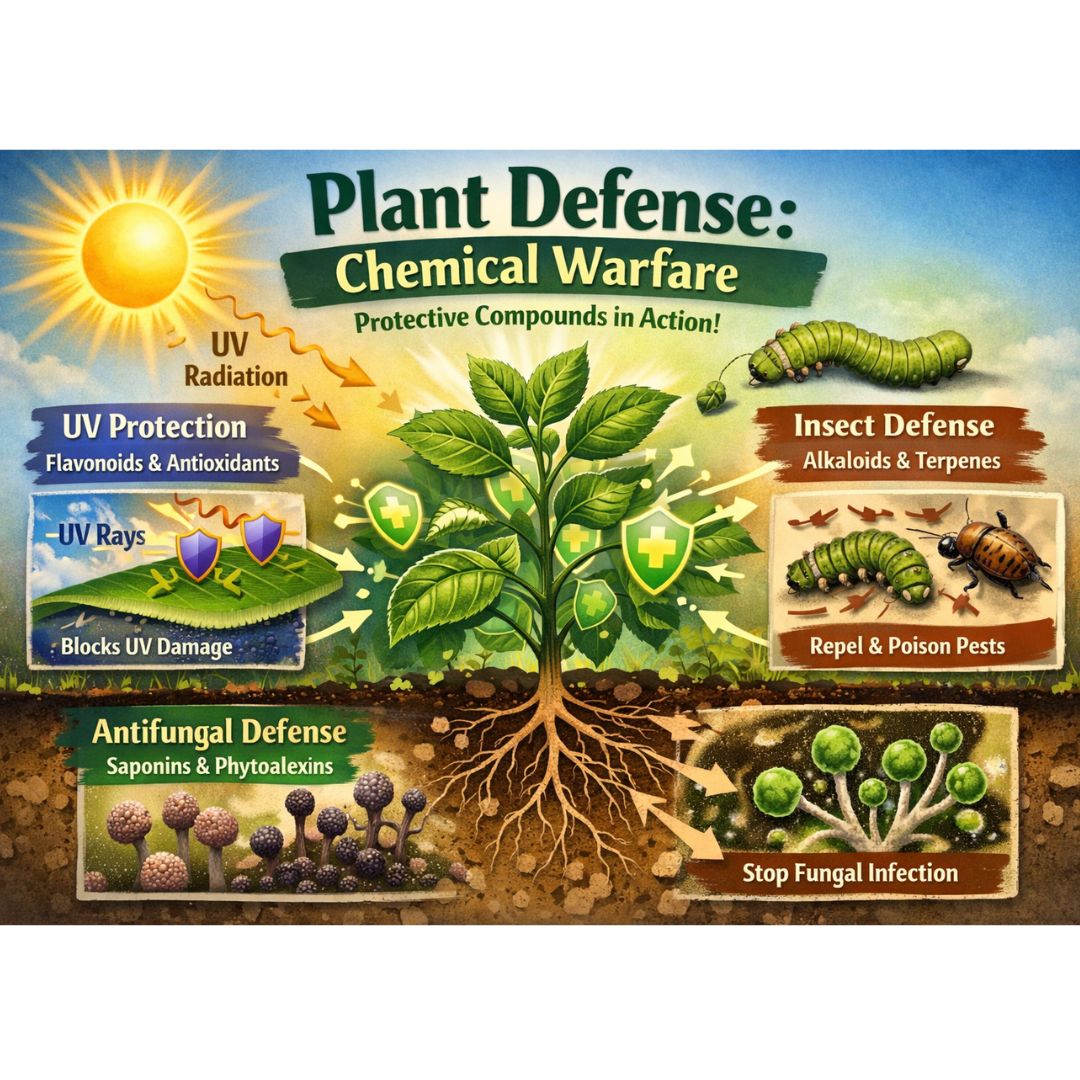
Here’s where it gets really interesting. Your fiddle leaf fig isn’t making these compounds for human health benefits – it’s making them for survival. These are chemical weapons and defense systems:
Chemical Warfare in Your Living Room
- Against insects**: Many compounds are natural insecticides or taste terrible to bugs
- Against fungi and bacteria**: Antioxidants and antimicrobials prevent infections
- Against UV damage**: Flavonoids act like natural sunscreen
- Against competing plants**: Some compounds inhibit other plants’ growth
- For wound healing**: When damaged, plants produce compounds to seal cuts
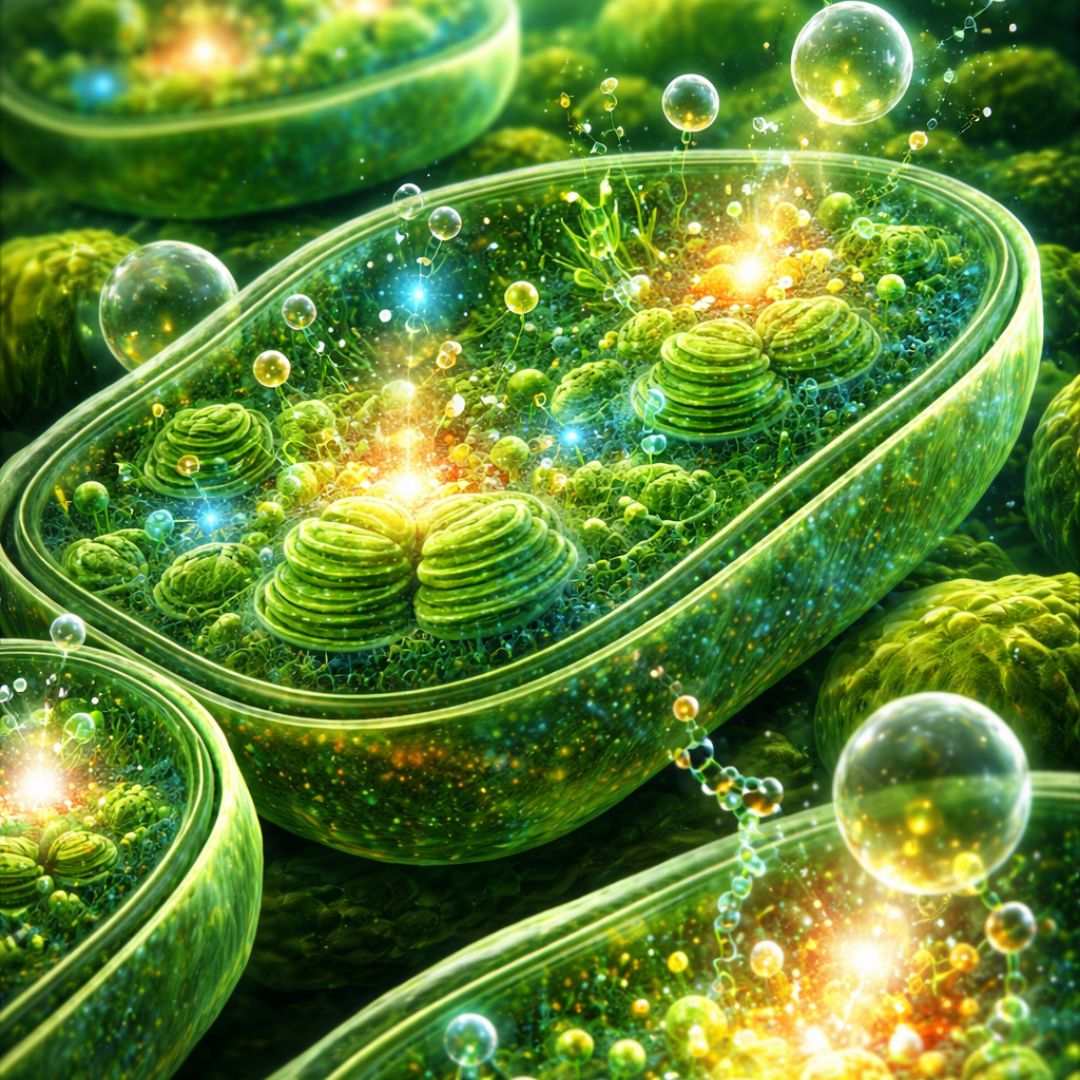
Every leaf, every bit of bark on your plant is a tiny chemical factory working 24/7 to keep your fiddle leaf fig alive and healthy.
“But If Plants Have Chemical Defenses, Why Do I Still Get Spider Mites and other pests?”
Ah, you’ve hit on one of nature’s most fascinating battles – the evolutionary arms race! Here’s what’s really happening:
The Pest Problem Explained
- Spider mites and mealybugs are specialists – they’ve co-evolved with certain plant families over millions of years and developed ways to bypass or neutralize specific plant defenses.
- Your comfortable houseplant isn’t stressed enough – wild plants under threat pump out maximum chemical defense. Your cozy indoor plant is on ‘low alert’ mode.
- Location matters – defensive compounds are often concentrated in bark and older leaves. The young, tender new growth that pests prefer has lower concentrations.
- Stress response timing – plants ramp up chemical production AFTER attack begins, so the first few pests get in before the ‘immune system’ kicks into high gear.
Now, before you think ‘My fiddle leaf fig drops leaves all the time – it must be super stressed and making tons of compounds!’ – that’s actually the opposite. A struggling houseplant with brown spots and dropping leaves is experiencing harmful stress that weakens its natural systems.
Do These Compounds Come Out in the Air?
This is crucial for safety: No, these medicinal compounds don’t naturally release into your home’s air. The antioxidant compounds studied were extracted using methanol and water in controlled laboratory conditions.
What This Means for Air Quality
Your fiddle leaf fig DOES help clean indoor air, but that’s through a separate process – normal photosynthesis and transpiration that removes formaldehyde, benzene, and other toxins. That’s different from the medicinal compounds locked inside the plant tissues.
**Safety note**: Never eat fiddle leaf fig bark or leaves. While this research shows promising medicinal properties, fiddle leaf figs can be toxic if ingested. The compounds stay safely inside the plant.
How Do Scientists Know All This?
The research builds on decades of study into the Ficus plant family. Here’s the fascinating backstory:
The Scientific Foundation
- Ficus religiosa** (sacred fig) – traditional hepatoprotective use documented for generations
- Ficus racemosa** (cluster fig) – proven effects for liver health in laboratory studies
- Ficus hirta** – beneficial effects on fatty liver disease in mouse models
What Makes Fiddle Leaf Figs Special Compared to Other Plants?
Scientists knew the Ficus family was special, but nobody had systematically analyzed what’s actually inside fiddle leaf fig bark until this 2025 study. It was botanical detective work – if other Ficus species have beneficial compounds, what might be hiding in the trendy houseplant everyone’s growing? F. lyrata joins the elite Ficus family of medicinal plants, with its own unique chemical fingerprint with pharmaceutical potential that nobody had mapped until now!
The Detection Method
They used HPLC-ESI-MS/MS – essentially molecular fingerprinting that can identify and quantify specific compounds by their molecular weight and fragmentation patterns. It’s like having a chemical ID scanner that can tell you exactly what’s in a plant sample.
The Antioxidant Power
The bark extract showed strong antioxidant activity with an IC50 of 37.32 µg/mL – that’s the concentration needed to neutralize 50% of free radicals in laboratory tests. For comparison, the standard antioxidant Trolox had an IC50 of 16.02 µg/mL, meaning fiddle leaf fig extract is about half as potent as a proven antioxidant compound.
The research also showed these compounds have “good binding affinity” to key metabolic receptors, suggesting they could interact with important biological pathways.
What Does “Bark” Actually Mean on a Houseplant?
When botanists talk about “bark,” they mean the protective outer layer of stems and trunks. On your houseplant, this is probably not what you’re picturing:
Houseplant vs. Wild Tree Bark
- Young houseplants**: Thin green stems with minimal bark development
- Mature houseplants**: Slightly thicker stems with developing brown/gray protective layer
- Wild F. lyrata trees**: Substantial woody trunks with thick, fully-developed bark
The researchers needed mature bark with enough material to extract and analyze. Your 3-foot houseplant’s thin stem couldn’t provide enough material for this type of study, but it still contains the same compounds in lower concentrations.
Why This Discovery Matters for Plant Parents
This research completely reframes how we think about houseplants. You’re not just decorating with pretty leaves – you’re sharing your space with a living organism that’s actively producing complex chemistry.
The Bigger Picture
- Evolutionary marvel**: Your plant is the result of millions of years of chemical innovation
- Living pharmacy**: The same compounds researchers study for human health are quietly working in your living room
- Chemical complexity**: What looks like a simple houseplant is actually a sophisticated biological system
- Respect for nature**: Understanding this chemistry helps us appreciate plants as more than just décor
Practical Implications
This knowledge reinforces why proper plant care matters. A healthy, unstressed plant has better natural defense systems. When you provide optimal light, water, and nutrients, you’re supporting your plant’s ability to produce these beneficial compounds.
It also explains why stressed plants are more susceptible to pests – their chemical defense systems are compromised, just like humans get sick more easily when we’re tired or stressed.
The Future of Fiddle Leaf Fig Research
This 2025 study is just the beginning. We’re literally watching scientific discoveries happen in real-time about plants that millions of people have in their homes. The researchers noted this was the first comprehensive chemical analysis of F. lyrata bark – there’s so much more to discover.
Future research might explore:
- How growing conditions affect compound production
- Differences between wild and cultivated plants
- Seasonal variations in chemical composition
- Potential applications for other Ficus species
What This Means for Your Plant Care
Understanding the incredible chemistry inside your fiddle leaf fig should inspire even better care. You’re not just keeping a plant alive – you’re nurturing a living chemical laboratory.
The Bottom Line
Your fiddle leaf fig isn’t just Instagram-worthy – it’s a testament to the incredible complexity of nature. Inside that beautiful plant are 40+ compounds that scientists are studying for their potential to improve human health. While you can’t harvest these benefits directly from your houseplant, you can appreciate that you’re sharing your space with a remarkable example of evolutionary chemistry.
The next time you water your fiddle leaf fig or admire its broad leaves, remember: you’re looking at a living pharmacy that’s been millions of years in the making. That’s not just plant care – that’s participating in one of nature’s most sophisticated chemical systems.
Want to learn more about the science behind your plants? As a certified horticulturists, we translate the latest plant science into practical care advice that helps your plants thrive.