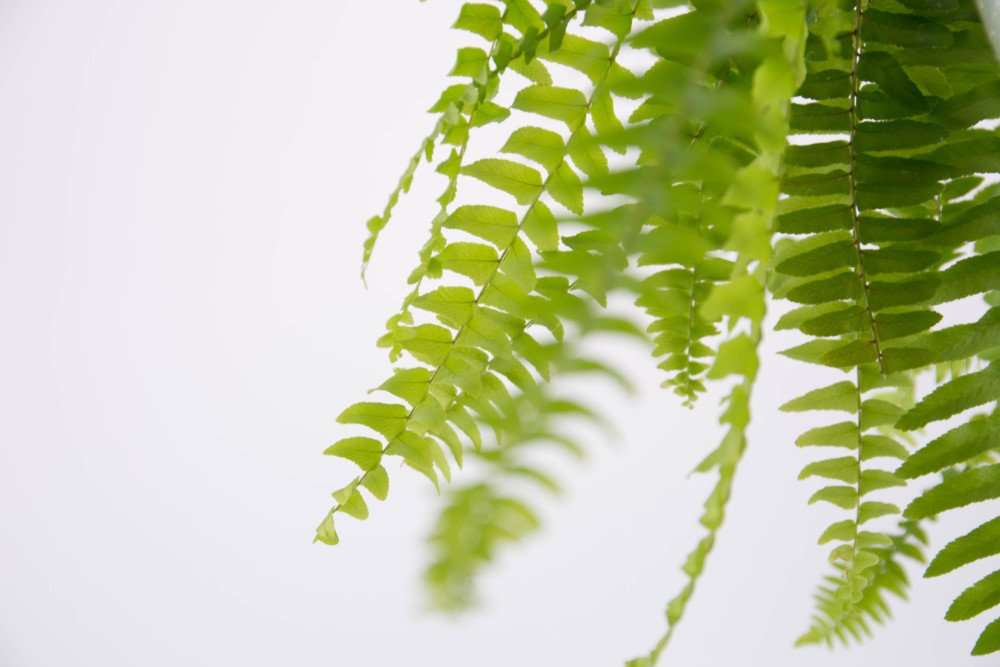
How to Grow Ferns Indoors: Beginner’s Guide to Fern Care
⭐⭐ Moderate
Fern care can be somewhat controversial, as they’re sometimes classified as easy beginner plants. However, we’re classing them as moderate due to their specific watering requirements and the fact that some species can be quite unforgiving if they dry out completely.
About Ferns
In this Beginner fern care guide you will discover the lush world of ferns, where every frond seems to tell a tale from ancient forests and dappled sunlight. Ferns are some of the oldest plants on Earth – we’re talking over 300 million years old! They’ve been thriving under forest canopies forever, and they’re incredibly durable and adaptable.
Many popular houseplant ferns have epiphytic tendencies or come from forest understories where they naturally grow on other plants, rocks, or trees, soaking up moisture and nutrients straight from the air. Since you’re probably growing yours in a pot (not on a tree!), we need to try and copy that forest vibe as much as possible.
Can Ferns Grow on Trees and in Soil?
Ferns can be either terrestrial (growing in soil), epiphytic (growing on trees, rocks, or moss), or even a mix of both depending on the species and environment, like the dramatic Staghorn Fern, naturally grow on the sides of trees in tropical rainforests, while Bird’s Nest Ferns can grow both on trees and in soil depending on the species.
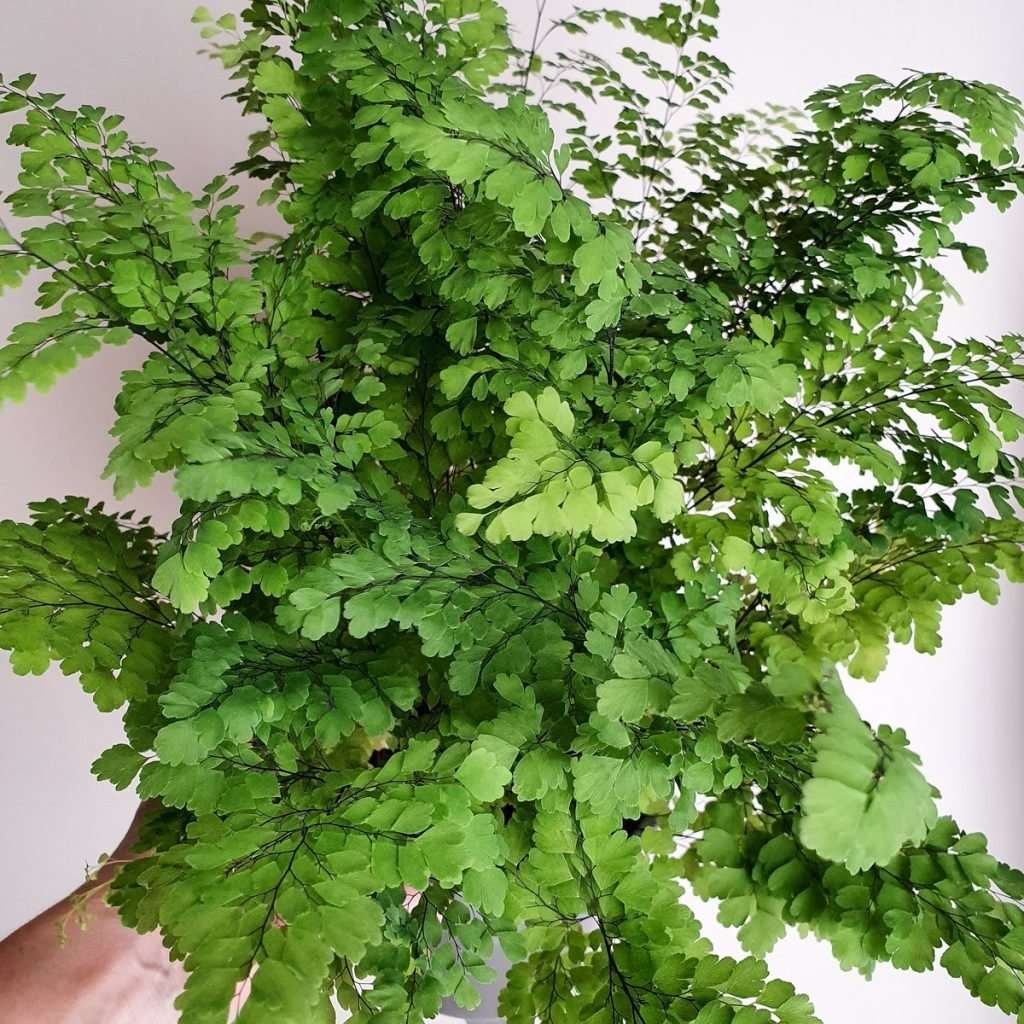
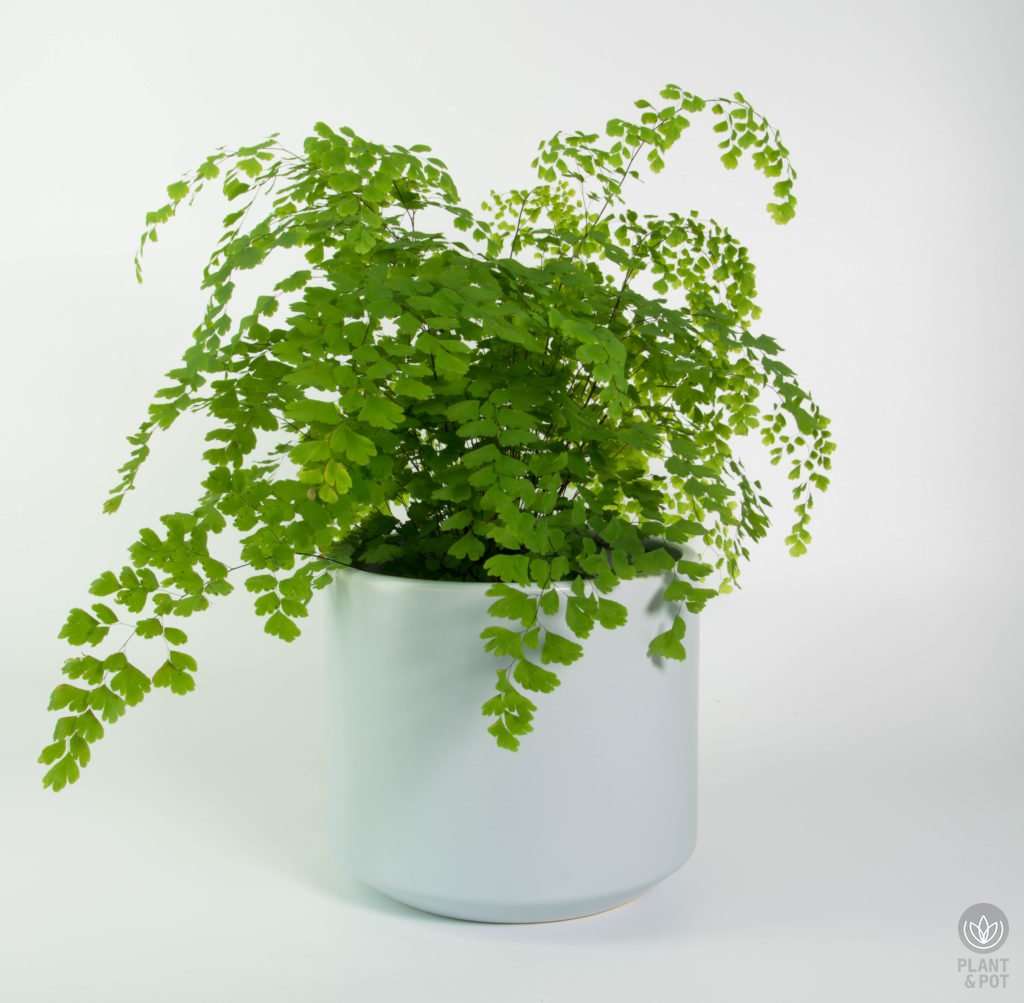
Some ferns, like the classic Silver Lady fern or delicate Maidenhair Fern, are true soil-lovers and are perfectly happy rooted in your pot.
So what exactly does epiphytic mean?
The word comes from Greek — “epi” meaning on, and “phyton” meaning plant. So it literally means: “growing on another plant.”
But here’s the key: epiphytes aren’t parasites. They don’t steal anything from the plant they grow on. They simply use the tree (or rock) as a living ladder — a place to climb up toward the light, not a source of food.
Instead, they’re basically nature’s air plants, absorbing water and nutrients from:
- Rainfall that trickles down the trunk
- Humidity floating in the air
- Organic matter like dust, fallen leaves, or bird droppings that gets caught in their roots
It’s actually pretty brilliant — they get prime real estate up in the canopy where there’s more light, while being completely self-sufficient. They’re like the ultimate roommates: they share the space but pay for their own groceries.
The coolest thing about ferns? When new leaves come out, they unfurl like little green scrolls – it’s honestly quite magical to watch. They’re also fantastic for filling out spaces and creating that soft, bushy forest floor look.
The Fern Family
There are over 10,000 different fern species out there – pretty mind-blowing, right? But don’t stress about that massive number. For this guide, we’re sticking to the ones you’ll actually find in plant shops and can grow indoors.
The good news is that even though these ferns come from different plant families, they mostly want the same things – similar light, humidity, and watering. So this guide works for pretty much all of them. Just keep in mind that some (like Maidenhair ferns) can be a bit more fussy and might need extra attention.
Want to know the 7 fern varieties I recommend most for indoor growing — with detailed care profiles, watering schedules, and troubleshooting tips? They’re all inside my 61-page Fern Care Masterbook. [Get your copy here →]
Light
Ferns naturally grow under a canopy of trees, so they thrive in bright, indirect light or partial shade.
Humidity
Ferns come from moist environments, so they’re happiest when the air is more humid than the average home.
Temperature
Ferns prefer gentle warmth — cozy but never sweltering.
Key points:
- Room temperature is usually perfect
- Avoid sudden temperature drops
- Keep away from heating vents
Watering
Ferns are one of the few houseplants that truly like consistently moist soil — but not soggy.
- How often: Check soil weekly and don’t let it dry out.
- Thirsty signs: Crispy fronds, brown tips, or soil pulling away from the pot.
Nutrient Nourishment
Most ferns aren’t heavy feeders. Use a diluted liquid fertilizer every few weeks in spring and summer. Think light snacks, not full meals — too much fertilizer can scorch roots.
Soil Mix
Ferns like light, airy, moisture-retentive soil with good drainage. A balanced mix of organic matter (compost or coco coir), bark for airflow, and perlite or sand usually works well.
Basic Fern Propagation
The easiest way to multiply your ferns is by division – splitting one plant into several.
When to divide: Spring is best, when plants are actively growing. The simplest way to make more ferns is by dividing them. Spring is usually the best time, but ferns are forgiving
What to expect: New divisions may look droopy for a few weeks while they settle in – this is normal. sad for the first few weeks, but don’t panic and start dialing the plant hotline They’re just getting settled into their new digs and will bounce back with fresh growth once they’re established.
Fern Repotting Basics
Ferns are flexible about repotting timing – any time of year works.
Signs it’s time to repot:
- Water runs straight through without soaking in
- Soil dries out very quickly
- Plant looks dull despite good care
Pruning
Prune ferns only when fronds turn yellow, crispy, or start dying. Snip them back to the base with clean pruners (or pull if they come away easily).
Don’t worry about some yellowing — ferns naturally shed older fronds as new ones grow.
Pruning keeps the plant neat, encourages fresh growth, and reduces the risk of pests or fungus.
Cleaning Ferns
Dust blocks photosynthesis. Give your fern a gentle lukewarm shower every few weeks. Avoid harsh chemicals.
Fern Troubleshooting:
Fern problems can be confusing — especially when symptoms look similar. But with a little patience and the right guidance, you’ll quickly learn how to read the signs and bring your fern back to thriving condition.
Why Is My Fern Turning Brown?
Brown fronds are my personal nemesis. For me, they usually mean one of three things:
- Low humidity → Ferns love humidity. See my humidity guide here →
- Nutrient burn → I once fried a whole fern by overfeeding. Flush the soil and hold off fertilizer for a while. Learn about fern fertilizing →
Why Is My Fern Turning Yellow?
Often means too much light. Move away from direct sun.
Some natural yellowing is normal as older fronds die off as new ones grow.
Rapid Answers: Fern FAQ
Why is my fern dying? → Usually watering issues (too much or too little).
Why are my fern tips turning brown? → Low humidity or fertilizer burn.
Pests and Diseases
Ferns don’t usually get many pests beacause they are not as tastey then some other plants, but the common culprits are mealybugs and scales. Check both sides of the leaves often — early spotting makes treatment easier. A gentle insecticidal soap or neem oil spray usually keeps them in check.
Brown or black leaf spots? That’s often a fungal issue caused by overhead watering or poor airflow. Remove affected leaves and try to improve circulation around your fern.
Yellowing, wilting, and mushy roots usually point to root rot from overwatering. Let the soil dry out and repot in fresh, well-draining mix if needed.
Most fern issues come back to the basics: don’t overwater, keep humidity steady, and give them plenty of airflow.
Are ferns toxic to cats or dogs?
Good news — most common houseplant ferns are considered non-toxic to humans and pets. This makes them excellent choices for homes with curious children, cats, and dogs that may nibble on leaves. If they do decide to nibble on a frond, then just cut away the damaged leaf, and tell your pet that your fern has feelings you know
Pet-Safe Fern Varieties:
- Boston Fern (Nephrolepis exaltata)
- Maidenhair Fern (Adiantum spp.)
- Bird’s Nest Fern (Asplenium nidus)
Important: While these ferns are generally safe, always monitor pets to prevent excessive chewing, as this can still cause mild stomach upset.
Intersting Fern Fact
Best places for Fern
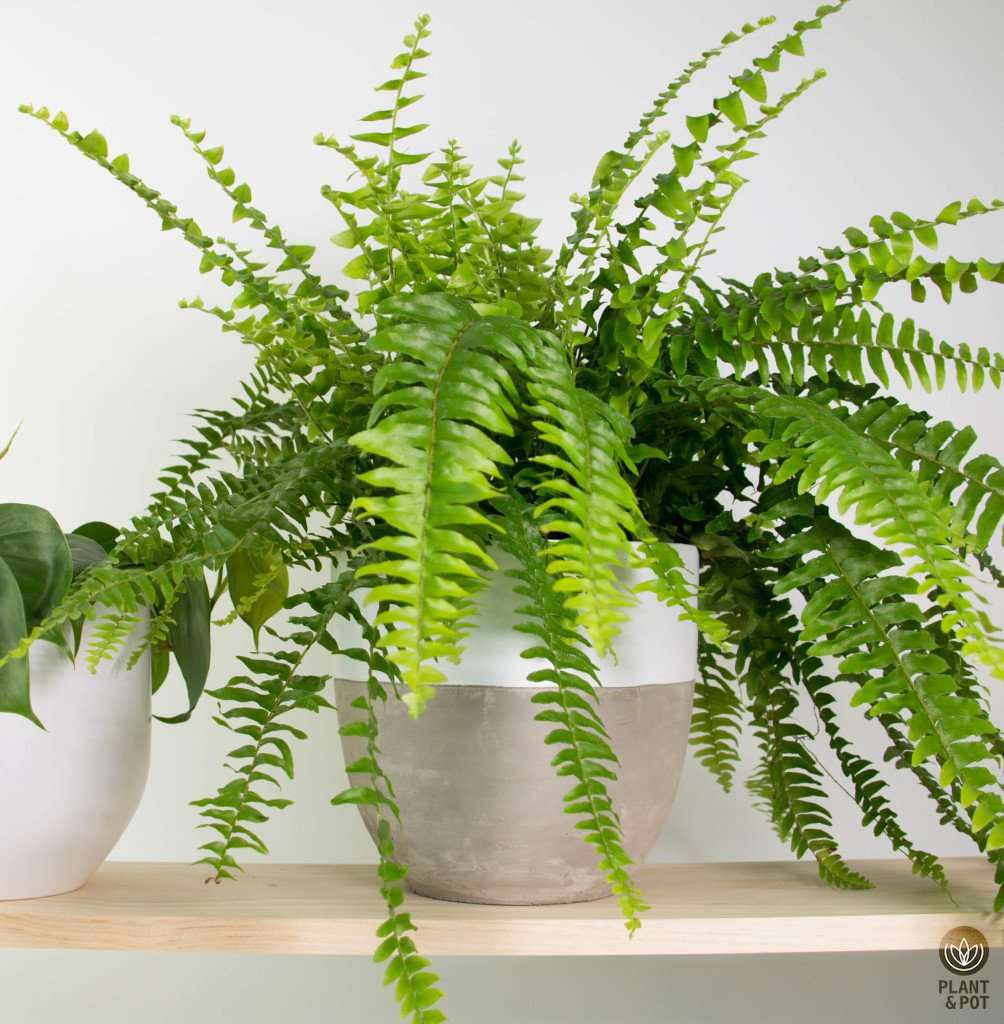
On a Shelf
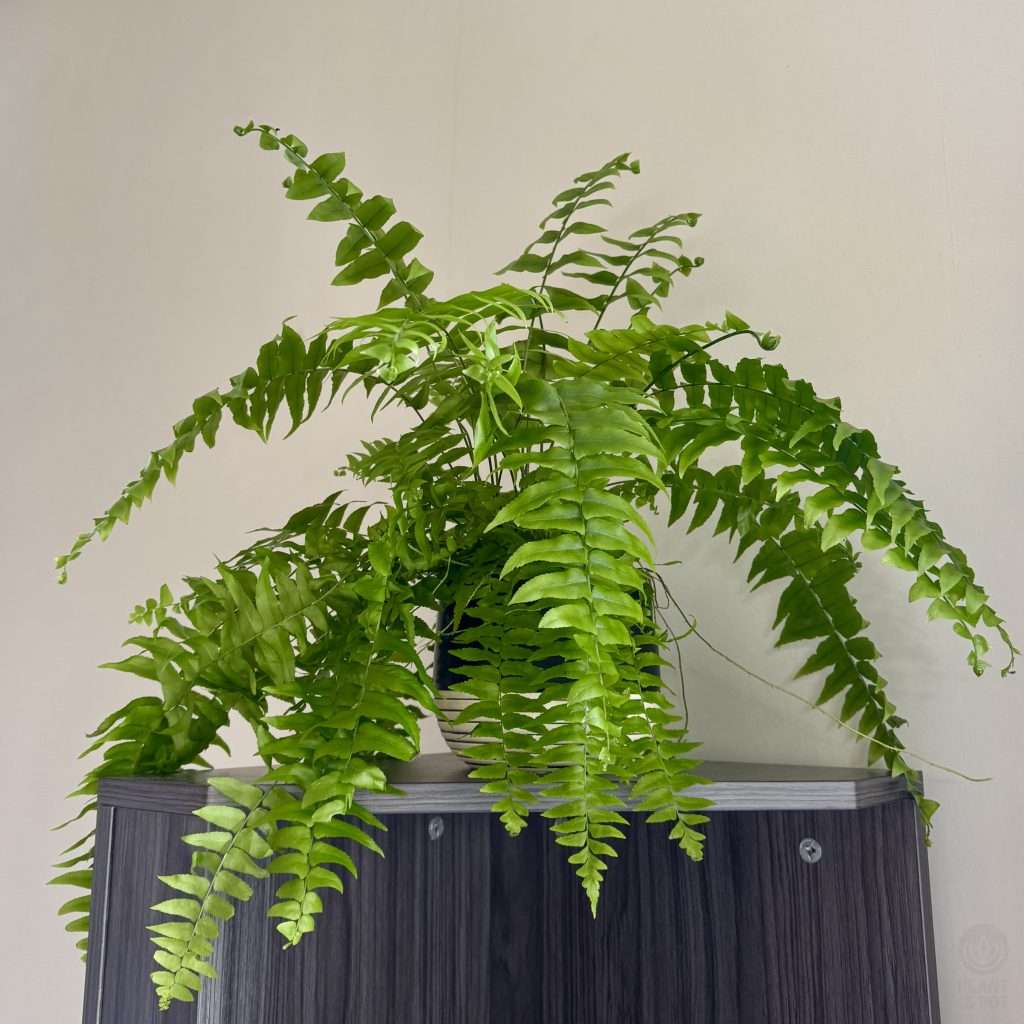
If you’ve got a shelf that’s empty and lonely and needs a bit of livening up, then a fern is perfect for the job. The top shelf works well to give it a good view of the area, adding a canopy of greenery to the space and filling that empty spot with warmth. Be sure not to place this under any air conditioning units.
Bathroom
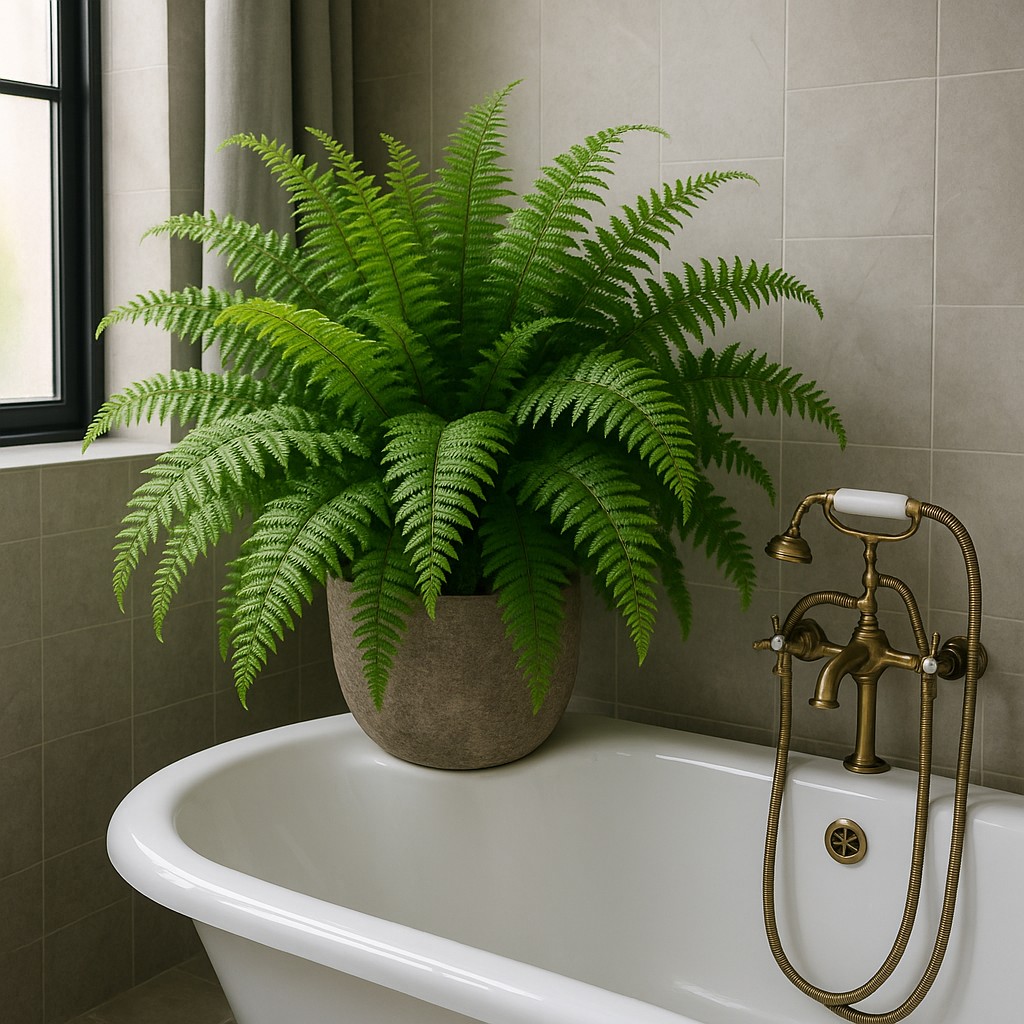
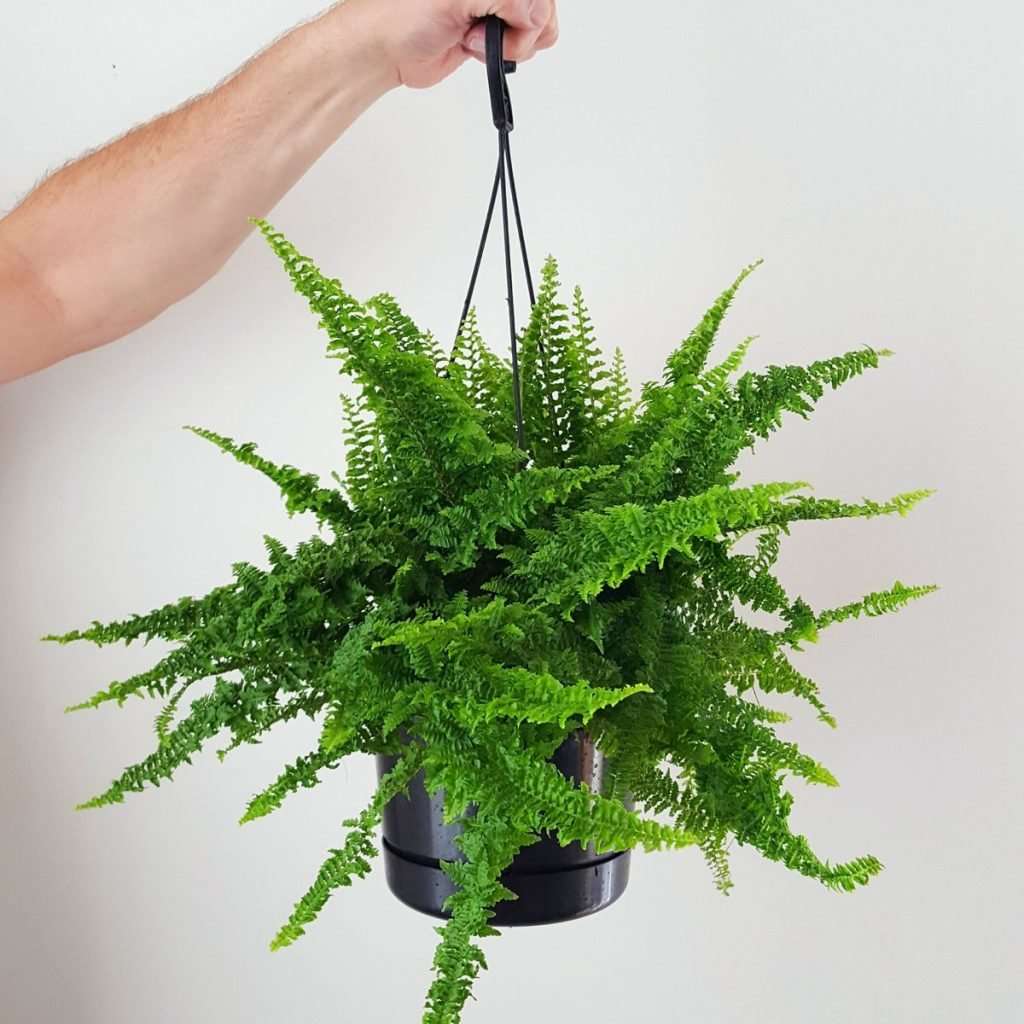
These are the best places as long as you have sufficient light. This is because of the humidity – you can also create a nice tropical vibe in your bathing area. You can place one on your sink basin, one by the window, hang one down, or even have one over your bath caddy.

Next to table
You can have a fern next to a dining table or any kind of table without too much intrusion – it will create an al fresco feel by doing this. This works best with larger ferns such as Macho, or you can use a taller pot to create height.
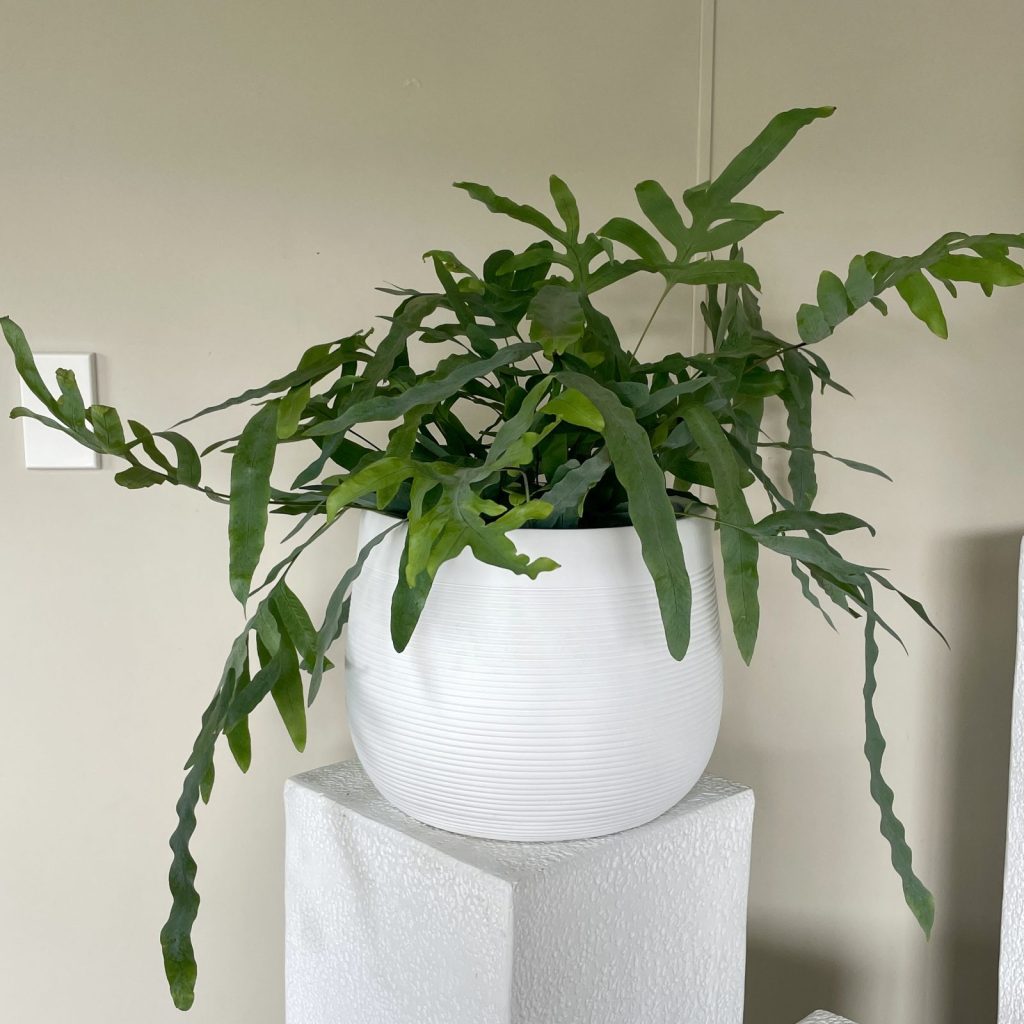
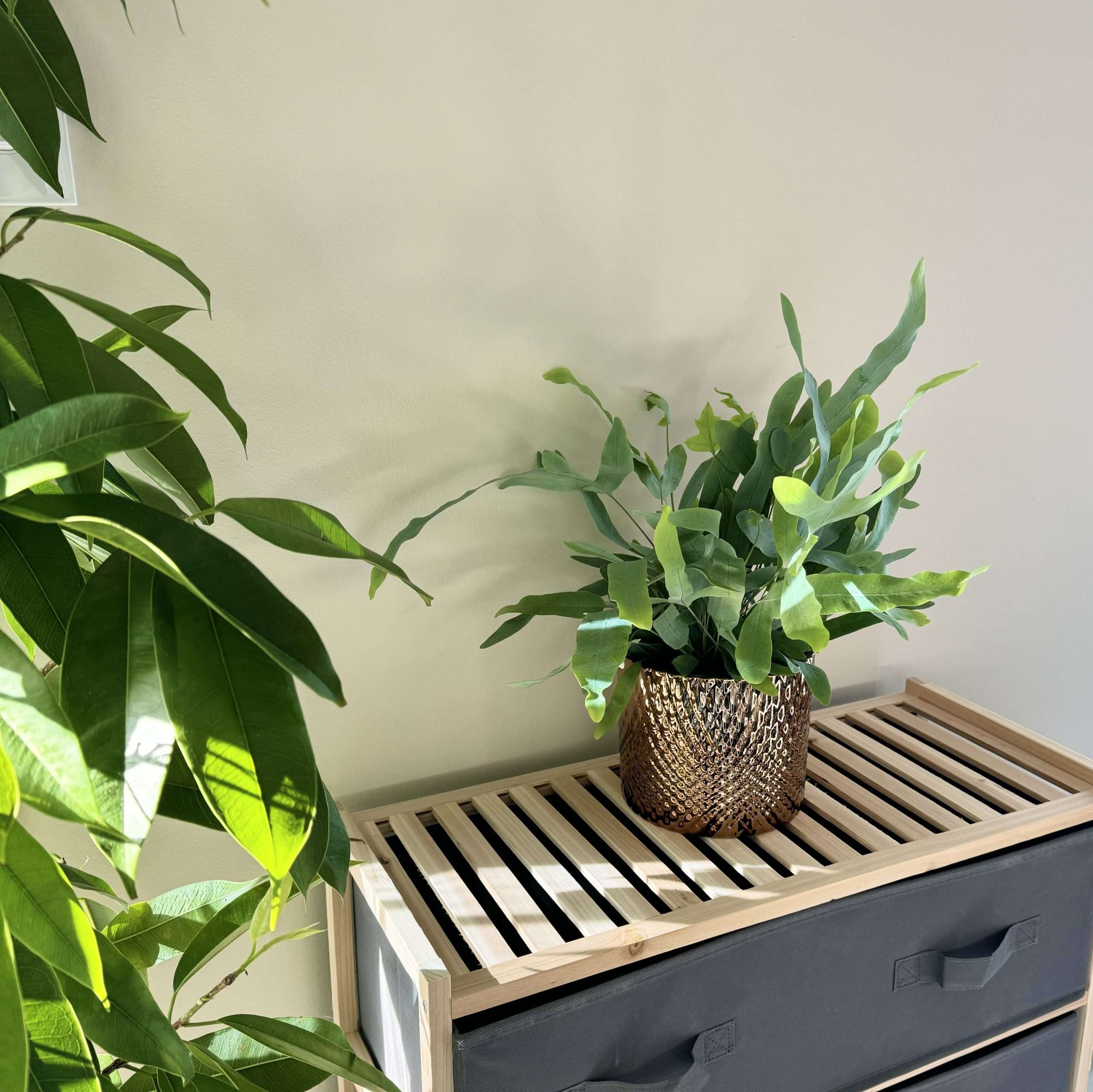
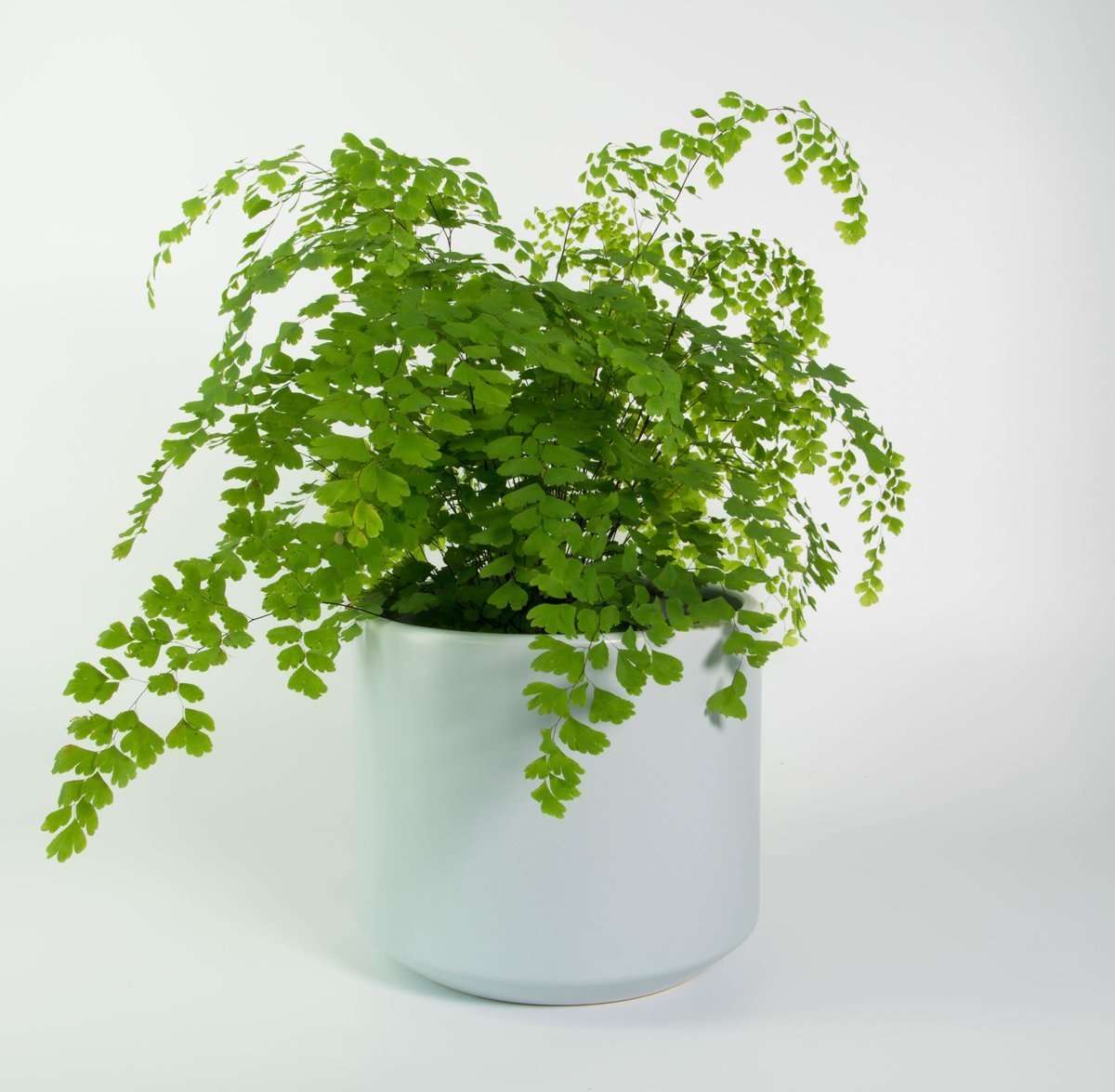
Fern Inspiration photos
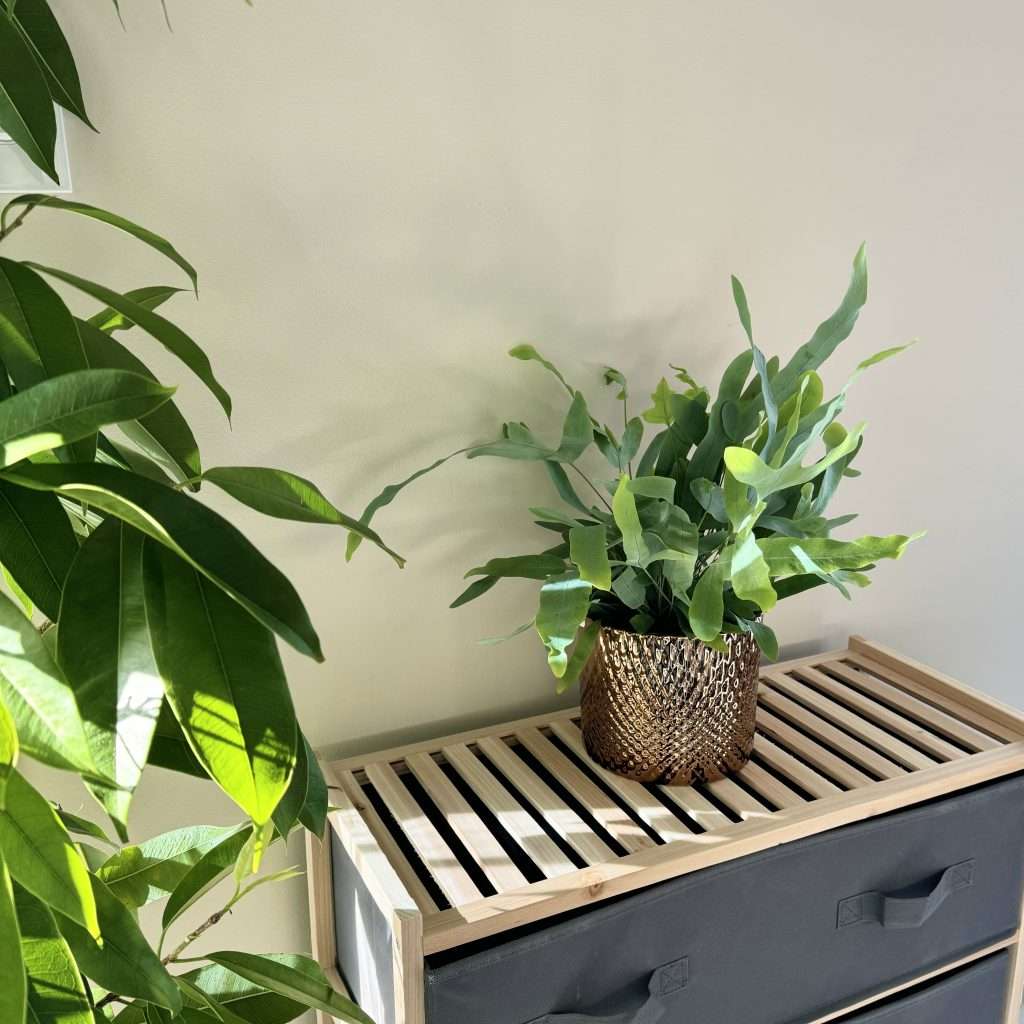
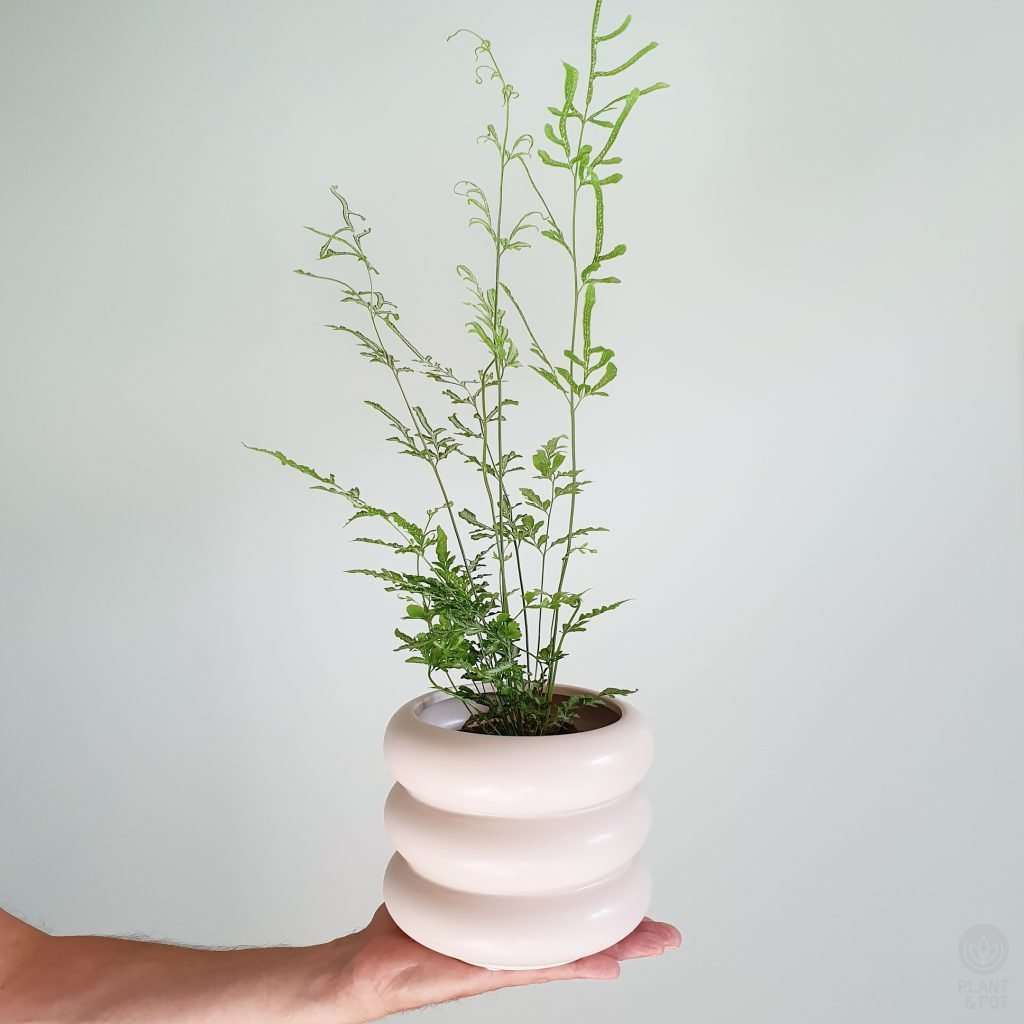
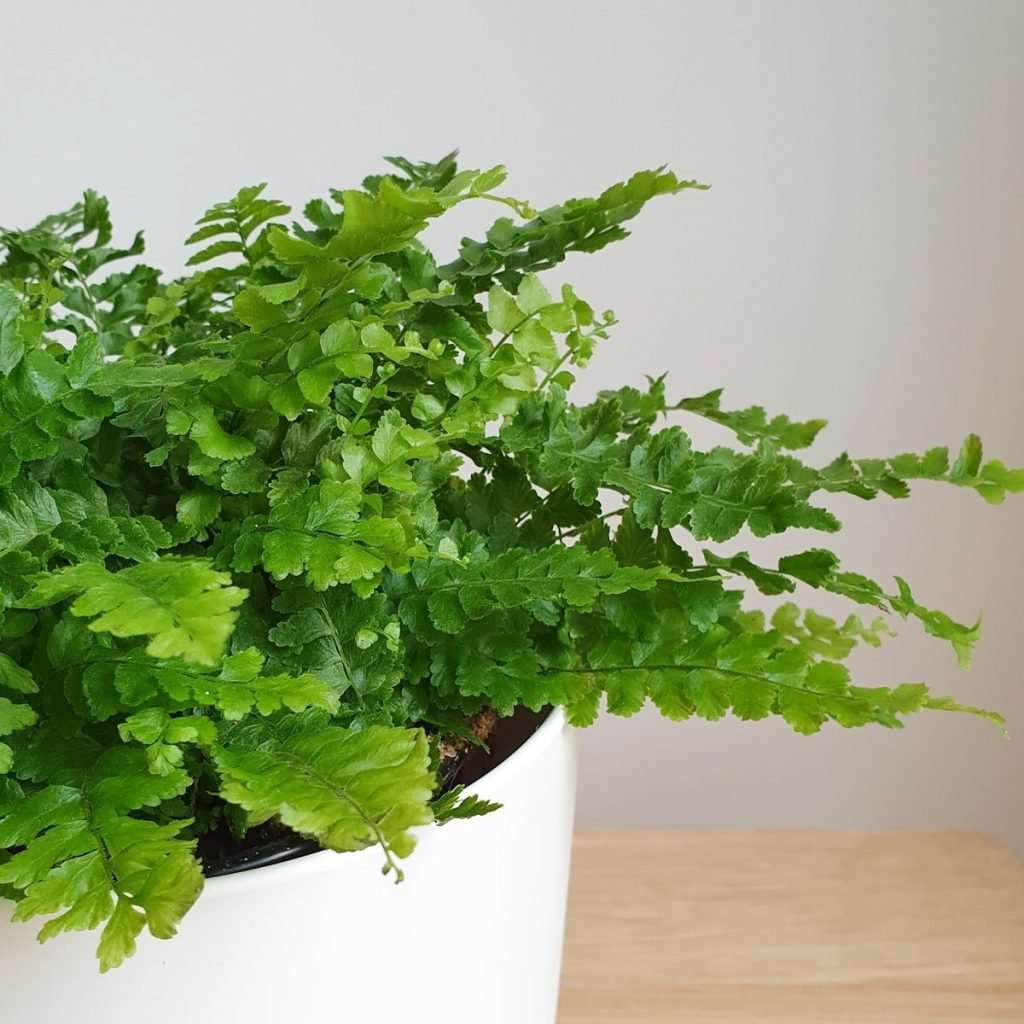
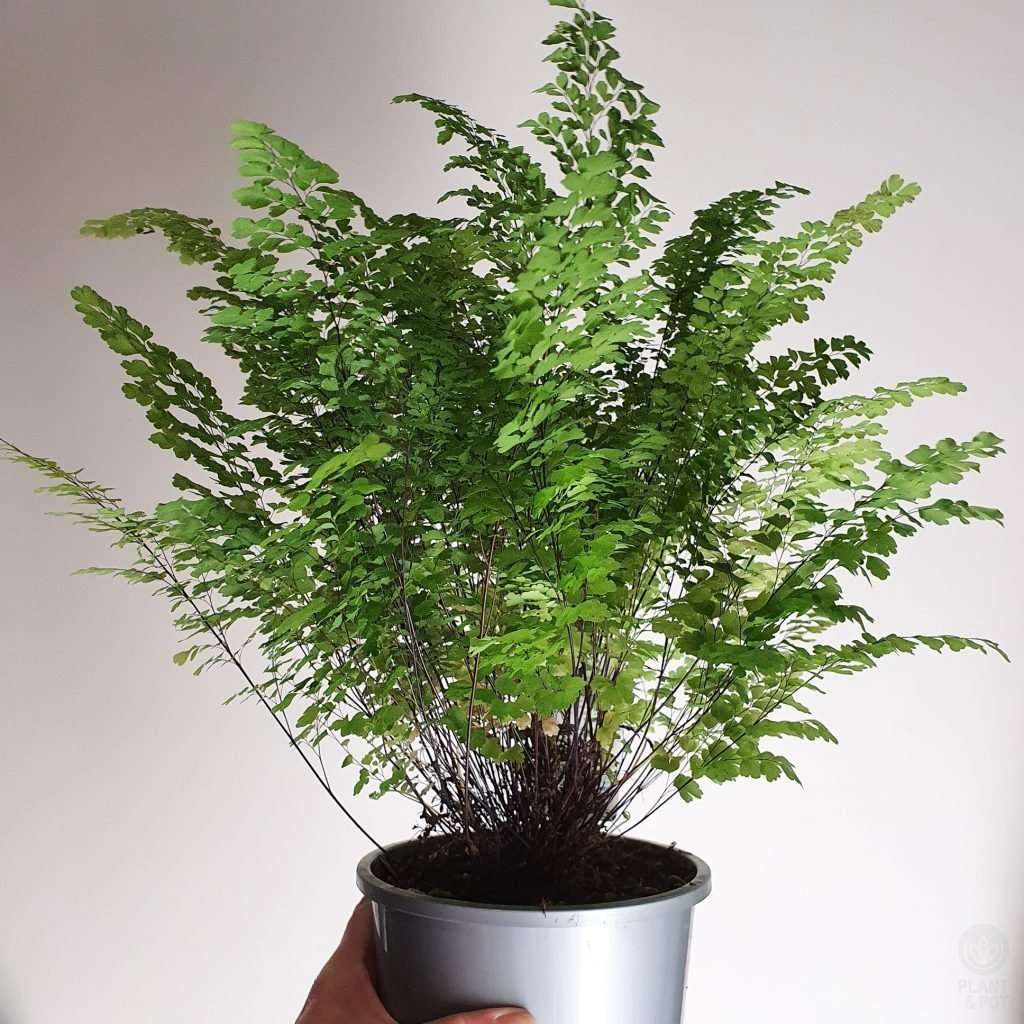






rapping It Up
Caring for ferns can feel like a balancing act, but once you understand their needs — consistent moisture, good humidity, the right light, and a little patience — they’ll reward you with lush, vibrant growth. Remember, ferns aren’t just plants; they’re living pieces of history, survivors from ancient times, still thriving in our homes today.
Every plant (and every plant parent) has a learning curve, so don’t stress if things don’t go perfectly at first. Notice the small changes, celebrate new fronds, and enjoy the process — that’s what makes plant care so rewarding.
Want More Plant Wisdom?
If you enjoyed this guide, we would love to share even more with you. We are always working on new resources, tips, and deeper plant-care guides to help you grow confidently.
👉 Join my free mailing list for updates, extra tips, and to be the first to know when I release new guides:
[ Join the Mailing List Here ]