Succulents
Travel in an amazing atmosphere within the world of succulents and cacti; each species of the plants here will tell their own stories of endurance and loveliness. These plants have come from some of the harshest environments on Earth but developed very interesting adaptations to live in your house.
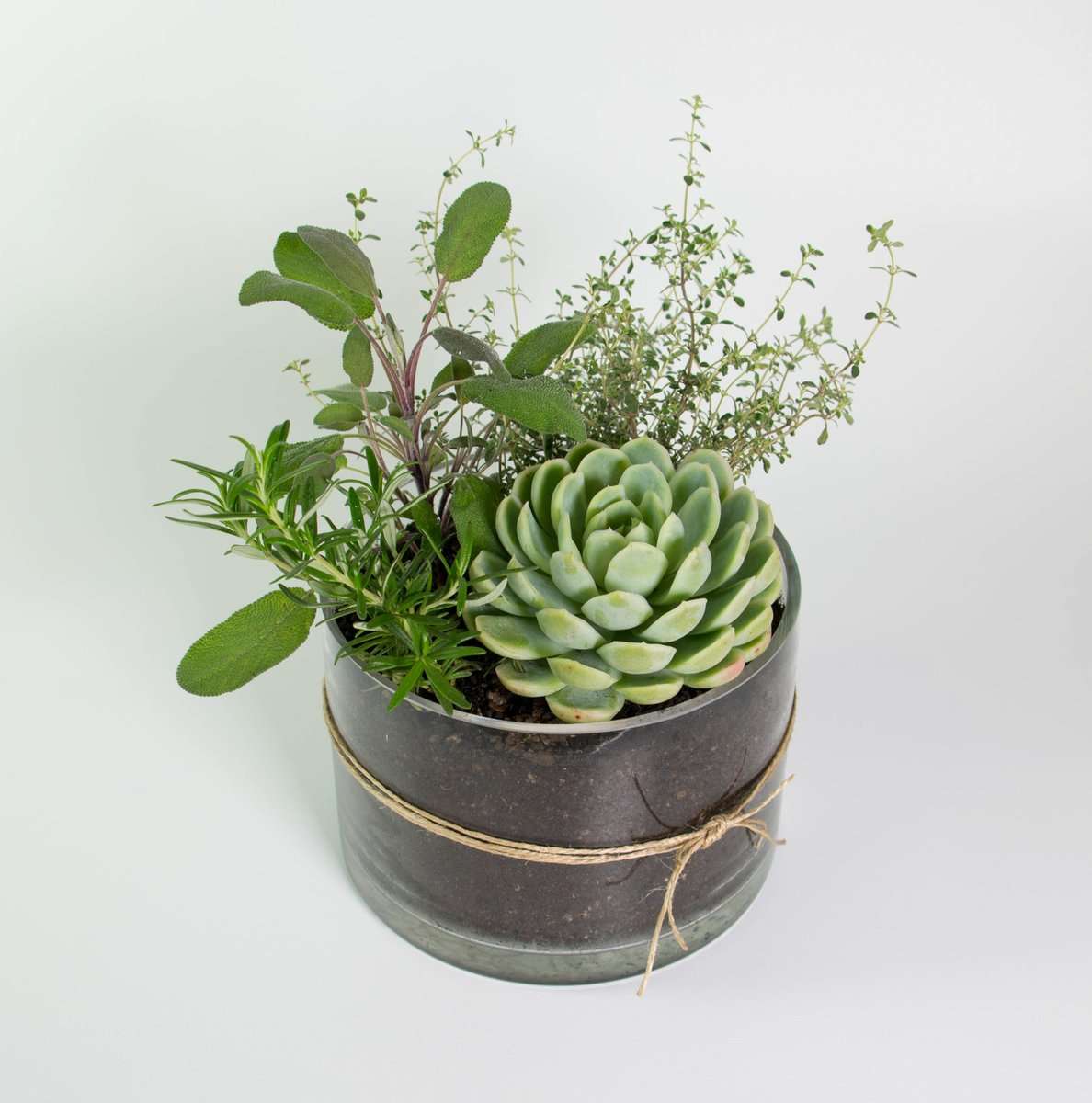
Embrace the light, warmth, humidity, and drought-loving nature of cacti and succulents. Much at home in largely arid habitats such as that of the Mojave Desert, where ample bright, warm conditions abound, the plants there have much of their own mastery to display as they bask. Their happiest spell is under the direct sun, and yet with moderation; for just as the natural shade of desert rocks and plants holds them from reaching a boiling point. Interesting to note, the rosette of Echeveria spreads to find light in an interesting spiral pattern, like graceful dancing, when underlit. The moderately to low humidity level of the environment mirrors their native arid climates and helps them toughen up.
Watering Wisdom: Though these plants are synonymous with drought tolerance, yet their water-storing ability—a marvel of evolution—still implies that they are lovers of a thoughtful watering regime. During the embrace of summer, water once a week to be a mirror of those rare but vital desert downpours to which these plants have become adapted. Through the cooler months, their water needs diminish, mirroring the low water use of a native landscape’s “winter whisper.” Succulents, although most of them can withstand tight planters without draining water to show their strength, in some cases, need your cautious watering routine to stay away from the risks related to excessively moist conditions. Their soil contains sand, pumice, or stones incorporated in it, which reflects the sandy, gritty land of the desert and most importantly acts as a cardinal ally in negating waterlogging.
A light touch of nutrients: Succulents and cacti have for long epitomized the very essence of minimum fuss and maximum elegance in their rugged, minimalist habitats.
They would require very little but give much in return. All that is required to meet their modest nutritional requirements is a spare amount of slow-release fertilizer each spring, much as their native rocky landscapes provide small but rich resources. When you care for these hardy wonders, it’s more than nurturing a plant; you’re keeping up and interacting with a living piece from one of the world’s most extreme ecosystems right in your very own home.