How to Grow Rubber Trees Indoors: Beginner’s Guide to Ficus Elastica Care
⭐ Easy – Beginner Friendly
Rubber Trees are incredibly beginner-friendly – we’re talking nearly indestructible here. These plants are so resilient that even if you accidentally chop one down, it has the potential to grow back. They’re like the earthworms of the plant world – cut them into pieces and they’ll survive. That’s the kind of forgiving nature we love in a houseplant!
However, like all plants, they do have a few preferences. Get the basics right (light, water, temperature) and your Rubber Tree will thrive for years with minimal fus
About Rubber Trees
In this beginner Rubber Tree care guide, you’ll discover the world of Ficus elastica, where each glossy leaf tells a story of resilience and adaptability. Rubber Trees belong to the Ficus genus, which includes over 800 species – a remarkable testament to the diversity and strength of the plant kingdom.
These trees are more than mere plants; they’re living sculptures that bring a touch of tropical elegance to your home. Native to the rainforests of India and Southeast Asia, Rubber Trees have been popular houseplants for generations, prized for their bold, shiny leaves and easygoing nature.
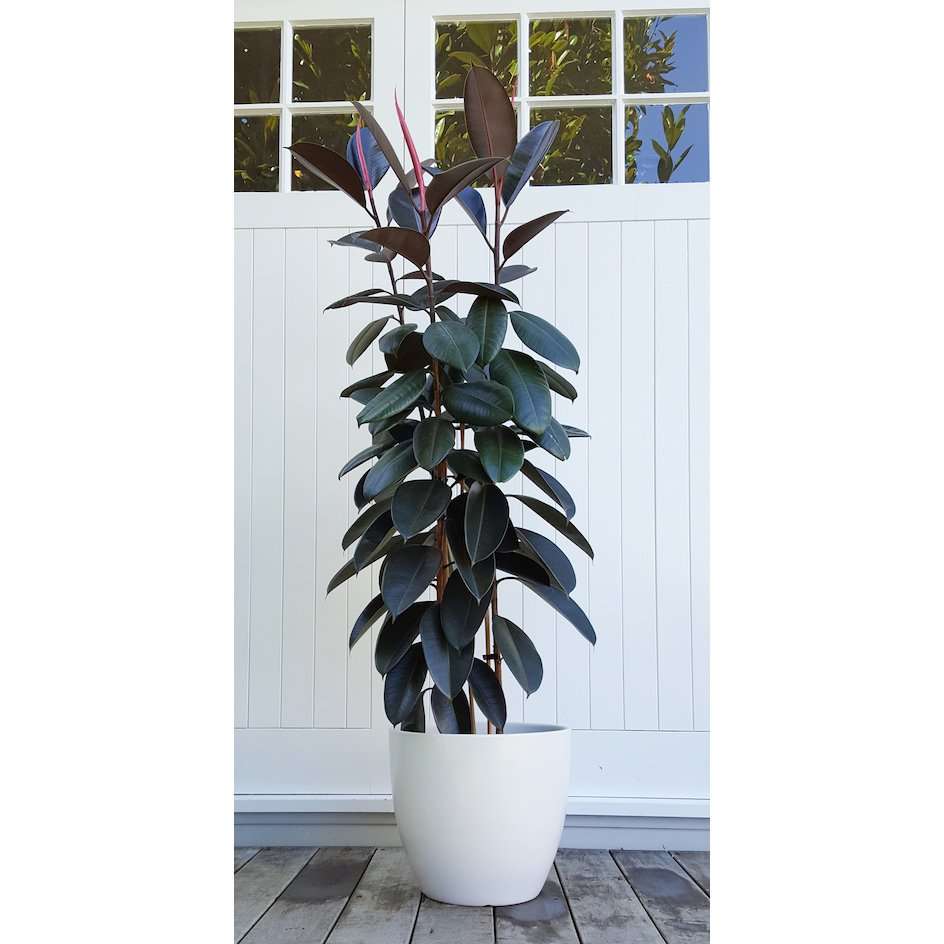
The coolest thing about Rubber Trees? They can grow impressively tall indoors and produce stunning burgundy-tinted new leaves that gradually mature to deep green. They’re also fantastic air purifiers and create that bold, architectural statement that fills vertical space beautifully.
The Ficus Family
There are over 800 different Ficus species out there – pretty mind-blowing, right? But don’t stress about that massive number. For this guide, we’re focusing on Ficus elastica (the classic Rubber Tree) and its popular varieties like Burgundy, Tineke, and Ruby.
The good news is that even though there are different Ficus varieties, Rubber Trees mostly want the same things – similar light, warmth, and watering. So this guide works for pretty much all Rubber Tree cultivars.
Light
Rubber Trees naturally grow in tropical rainforests where they receive bright, filtered light through the canopy. Indoors, they thrive in bright, indirect light. A spot near an east- or west-facing window is usually ideal.
Pro Tip: Different Rubber Tree varieties have slightly different light needs — variegated types need brighter light to maintain their patterns.
Humidity
Rubber Trees come from humid tropical environments, so they appreciate higher humidity levels than the average home provides. However, they’re more adaptable to average household humidity than many tropical plants.
Aim for moderate humidity and avoid placing them near heating vents or air conditioners that dry out the air.
Temperature
Rubber Trees prefer steady warmth – think cozy tropical vibes. They’re not frost-tolerant and dislike sudden temperature changes.
Key points:
- Room temperature is usually perfect
- Avoid cold drafts and sudden drops
- Keep away from heating vents and air conditioning units
Watering
Rubber Trees prefer their soil to dry out slightly between waterings – they’re more drought-tolerant than moisture-loving.
How often: Check soil weekly and water when the top 1-2cm feels dry.
Avoid: Overwatering and soggy soil – this leads to root rot.rns are one of the few houseplants that truly like consistently moist soil — but not soggy.
Nutrient Nourishment
Rubber Trees aren’t heavy feeders, but they do appreciate regular feeding during the growing season.
Basic feeding schedule: –
- Feed during spring and summer (active growth period)
- Use a diluted liquid fertilizer
- Hold off in autumn and winter when growth slows
Soil Mix
Rubber Trees like well-draining soil that doesn’t stay soggy. So dont use your backyard dirst or dump you newly made compost into a pot and hope for the best. A standard houseplant potting mix usually works well, or you can create your own blend with good drainage.
Basic Rubber Tree Propagation.
This is where these plants get good. The easiest way to multiply your Rubber Trees is by stem cuttings – taking a piece of stem and growing roots.
When to propagate: Spring or early summer is best, when plants are actively growing.
What to expect: Cuttings can take several weeks to root. Be patient and keep them in a warm, bright spot.
Fern Repotting Basics
Rubber Trees are flexible about repotting timing, however spring is ideal but they’re forgiving.
Signs it’s time to repot:
- Roots growing out of drainage holes
- Water runs straight through without soaking in
- Plant has outgrown its pot
- Soil depleted despite good care
Pruning
Prune Rubber Trees to control size, encourage bushier growth, or remove damaged leaves. Cut just above a leaf node with clean, sharp pruners.
Note: Rubber Trees produce a milky latex sap when cut – this is normal but can be irritating to skin. Wear gloves and wipe tools clean after. You can use the sap to clean the leaves.
Pruning encourages branching and keeps your plant at a manageable size.
Cleaning Ferns
Rubber plants are natural dust magnets. Their large, glossy leaves attract airborne particles, which can quickly build up if they’re not cleaned regularly. This dulls their appearance and reduces how efficiently they absorb light.
The easiest fix? Gently wipe each leaf with a damp cloth every few weeks. Clean leaves stay glossy, healthier, and photosynthesise more effectively.
Always use lukewarm water and avoid harsh leaf shine products – plain water works best.
Rubber Tree Troubleshooting:
When a rubber tree starts having problems it’s rarely random. It’s usually a signal that one environmental factor is out of balance.
Small observations will quickly narrow down the real cause — and prevent you from making the wrong correction.
Why Are My Rubber Tree Leaves Dropping?
Leaf drop is frustrating and usually signals a watering issue or environmental change.
Common causes: Overwatering, underwatering, sudden temperature changes, or relocation stress.
What to check: Soil moisture levels, temperature consistency, and recent changes to the plant’s environment.
Why is My Rubber Tree Leaves Turning Yellow?
Yellowing leaves can indicate several issues. Usually this means overwatering, but it can also signal nutrient deficiency or natural aging of lower leaves.
Some yellowing of older, lower leaves is normal as the plant grows.
Rapid Answers: Rubber Tree FAQ
Why is my Rubber Tree losing leaves? → Usually watering issues or environmental stress.
Why are my leaves drooping? → Check soil moisture – could be too wet or too dry.
Pests and Diseases
Rubber Trees don’t usually get many pests, but the common culprits are mealybugs. They seem to love this plant more then I do. A gentle insecticidal soap or neem oil spray usually keeps them in check.
Brown or black spots on leaves? That’s often a fungal issue caused by overwatering or poor airflow. Remove affected leaves and adjust your watering routine.
Most Rubber Tree issues come back to the basics: don’t overwater, maintain consistent temperatures, and provide adequate light.
Are Rubber Trees Toxic to Cats or Dogs?
Good news — most common houseplant ferns are considered non-toxic to humans and pImportant: Rubber Trees (Ficus elastica) are considered toxic to cats and dogs. The milky sap contains compounds that can cause irritation and digestive upset if chewed or ingested.
Symptoms may include:
- Drooling
- Vomiting
- Diarrhea
- Mouth and skin irritation
Keep Rubber Trees out of reach of curious pets and children. If ingestion occurs, contact your veterinarian immediately.
Intersting Rubber Tree Facts
Different Rubber trees with the Same Care

Ficus Ruby
This Rubber tree has the most beautfiul colours with ruby pink , cream and green bursting through creating an architectural statement.
Best for: People who want a colorful statement plant and have a bright window spot.

Black Knight
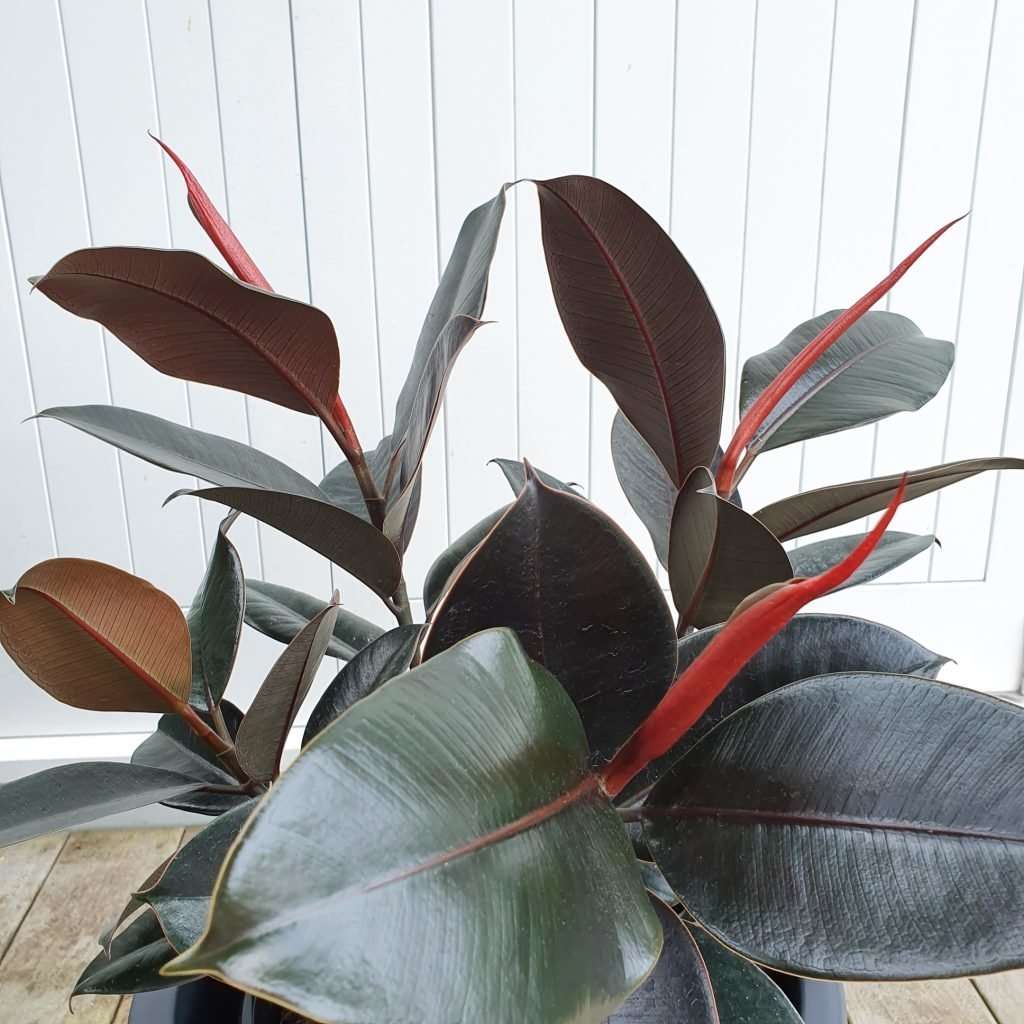
Deep, dramatic black leaves that look almost chocolate-colored in certain light. With a prominent red midrib running through each leaf. Burgundy color deepens in bright light.
Best for: Anyone wanting a bold, moody statement plant. Most forgiving variety..

tineke ficus
Stunning cream, light green, and deep green variegation with pink-edged new leaves. Softer, more elegant look than Ruby.
Best for: Those wanting variegation without the bold pink of Ruby. Great for modern, minimalist spaces.
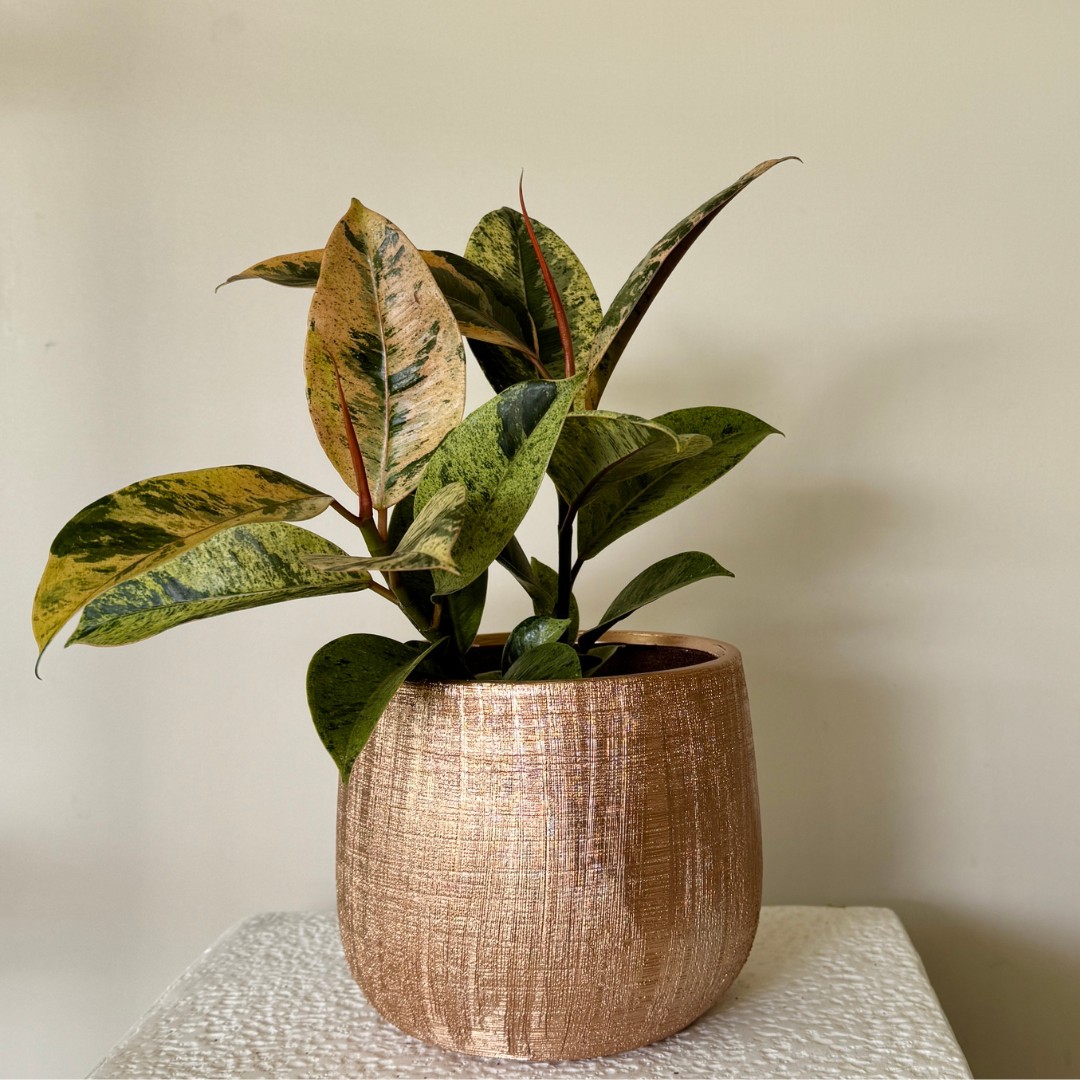
Ficus ‘Shivereana’ (rare/trendy variety)
The “painted” Rubber Tree! Camouflage-like splotches of cream, gray-green, and dark green and some baby pink even shows up. Highly sought-after collector’s variety.
Best for: Plant collectors and enthusiasts willing to give extra attention.

Ficus burgundy’
Dark burgundy leaves with a prominent red midrib running through each leaf. Like Black Knights fancier cousin.
Best for: People who love Burgundy but want something slightly more unique.

Ficus Elastica (Classic Green)
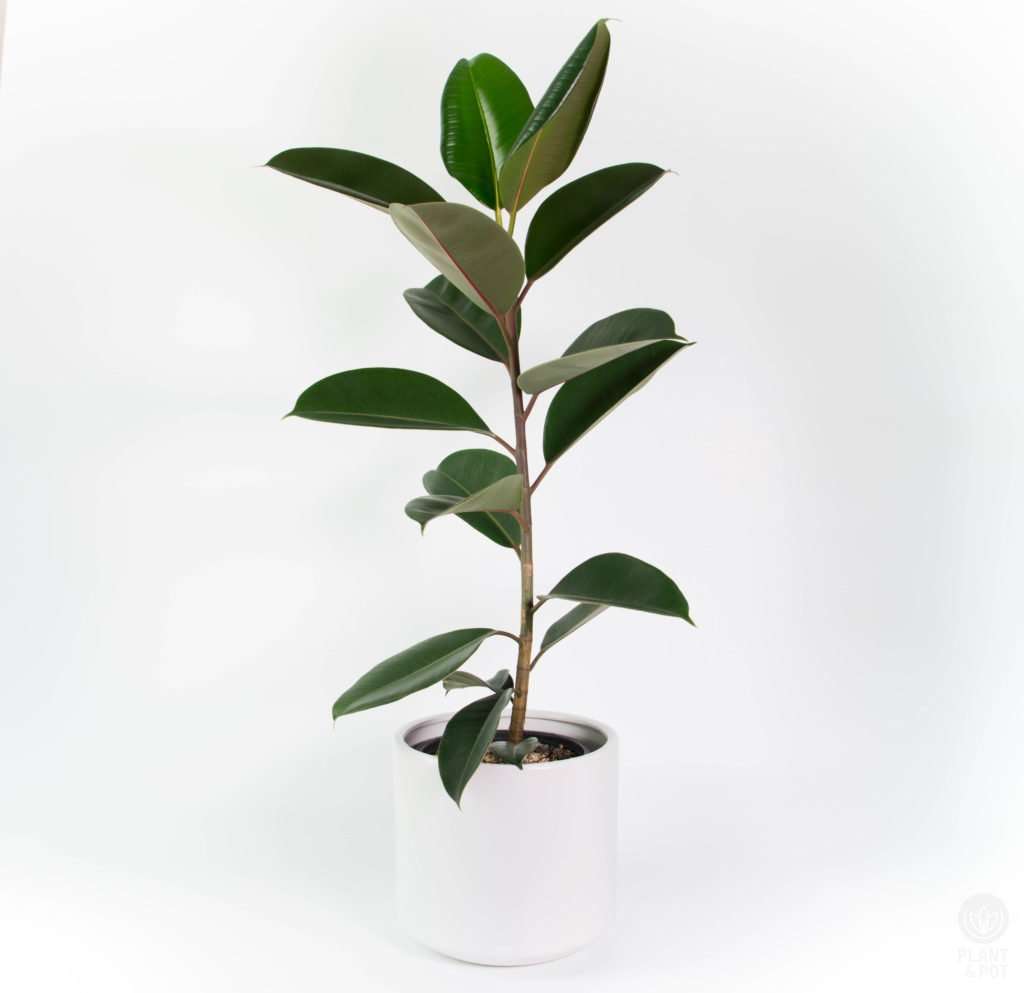
The original! Deep glossy green leaves that can reach 12 inches long. Timeless, bold, and incredibly architectural.
Best for: Beginners, low-light spaces, anyone wanting a reliable statement plant.
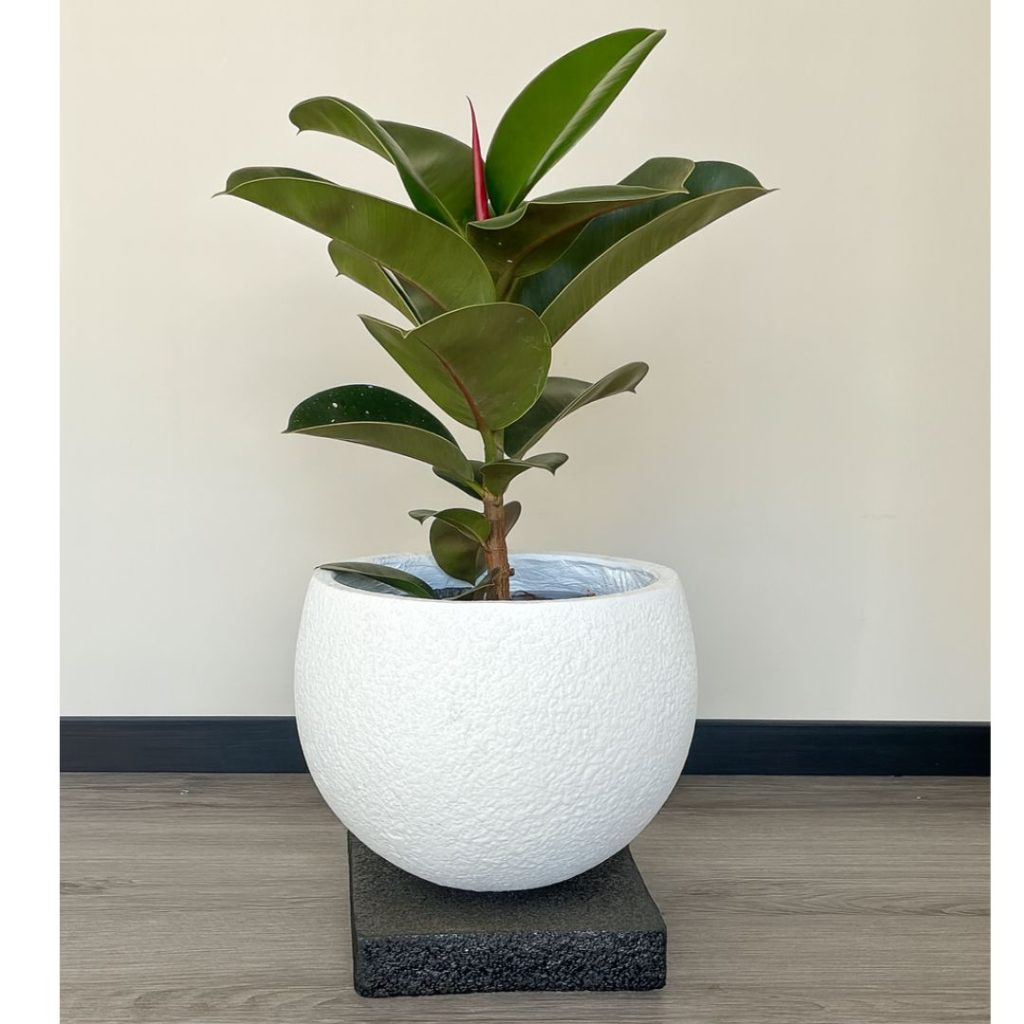
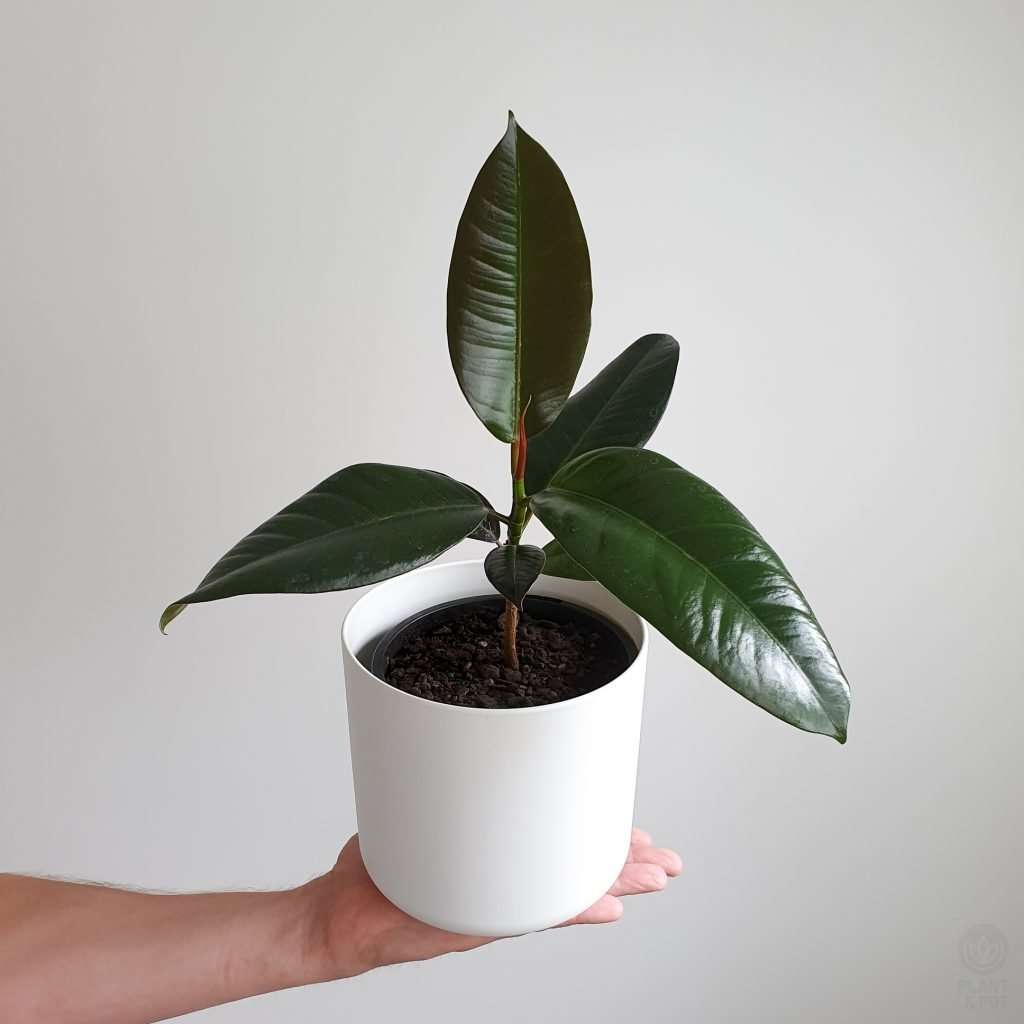
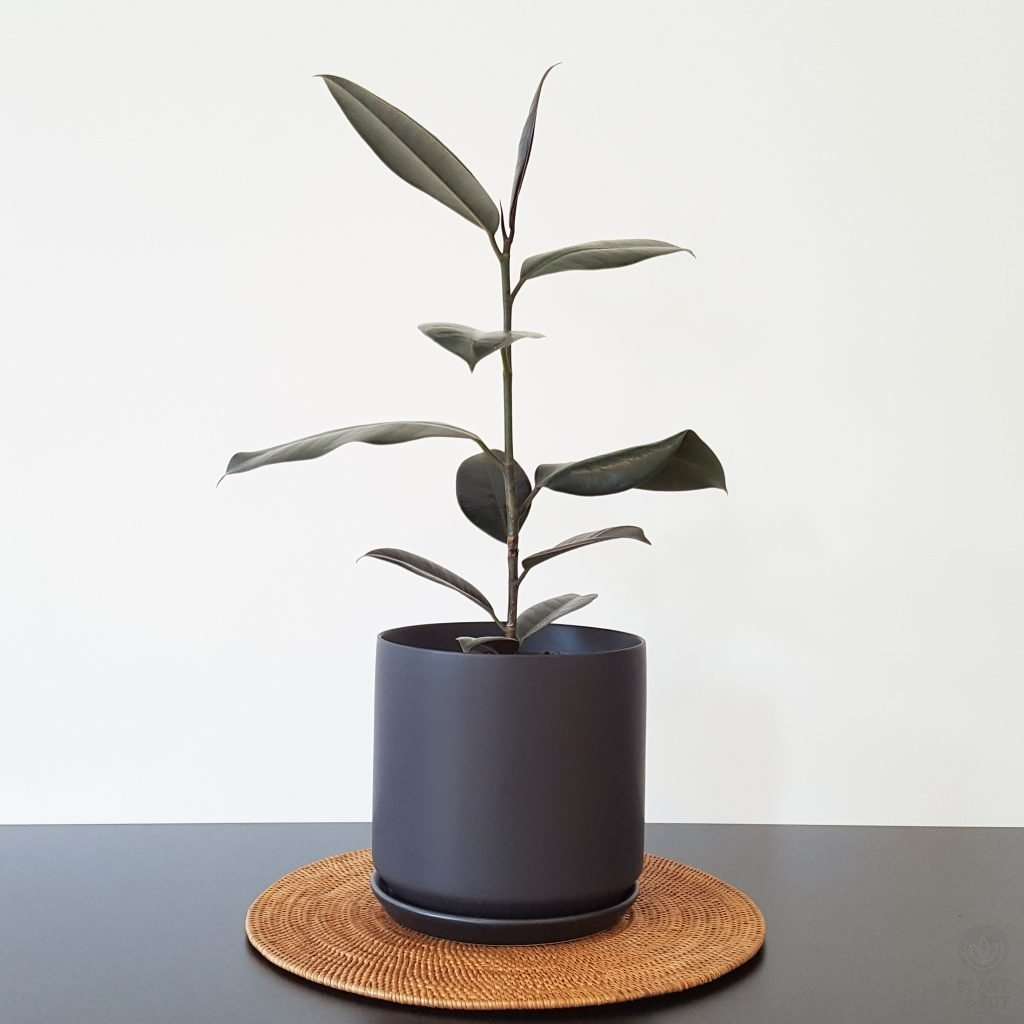
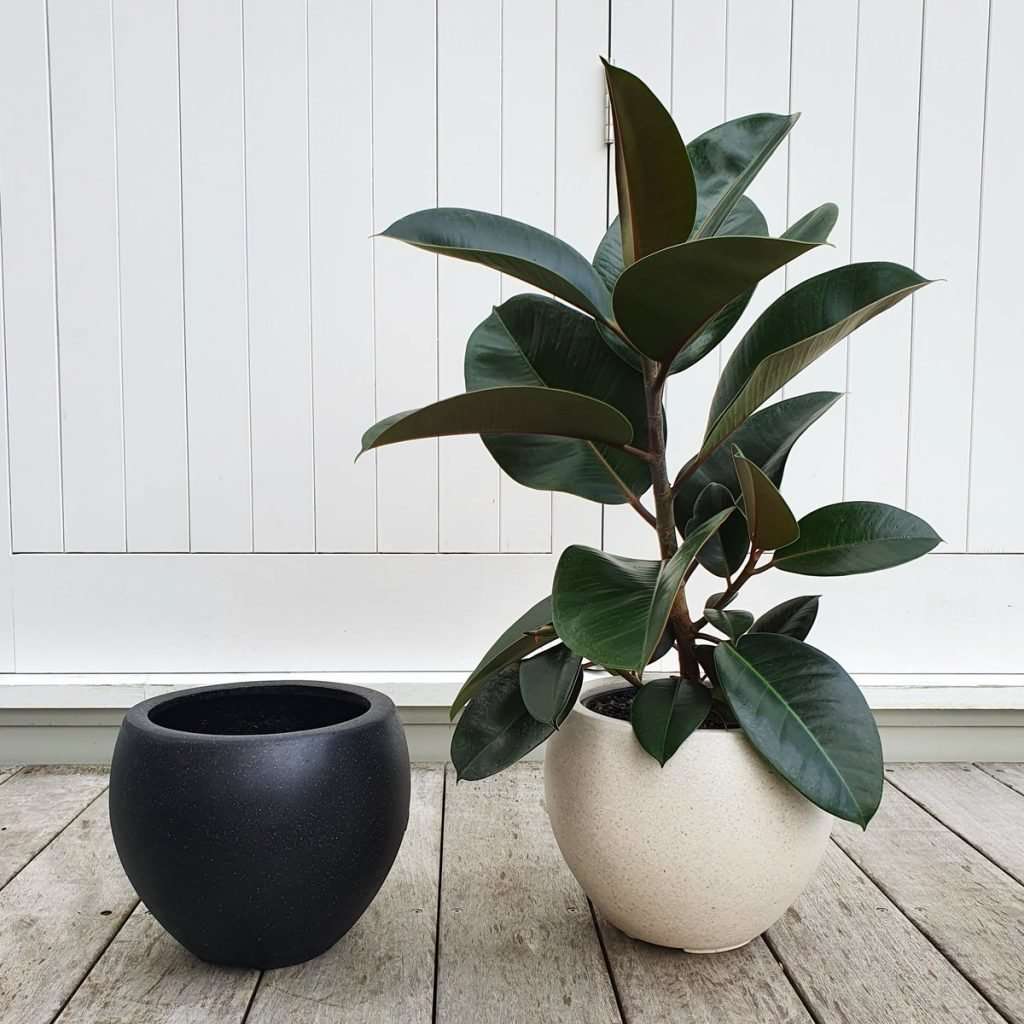
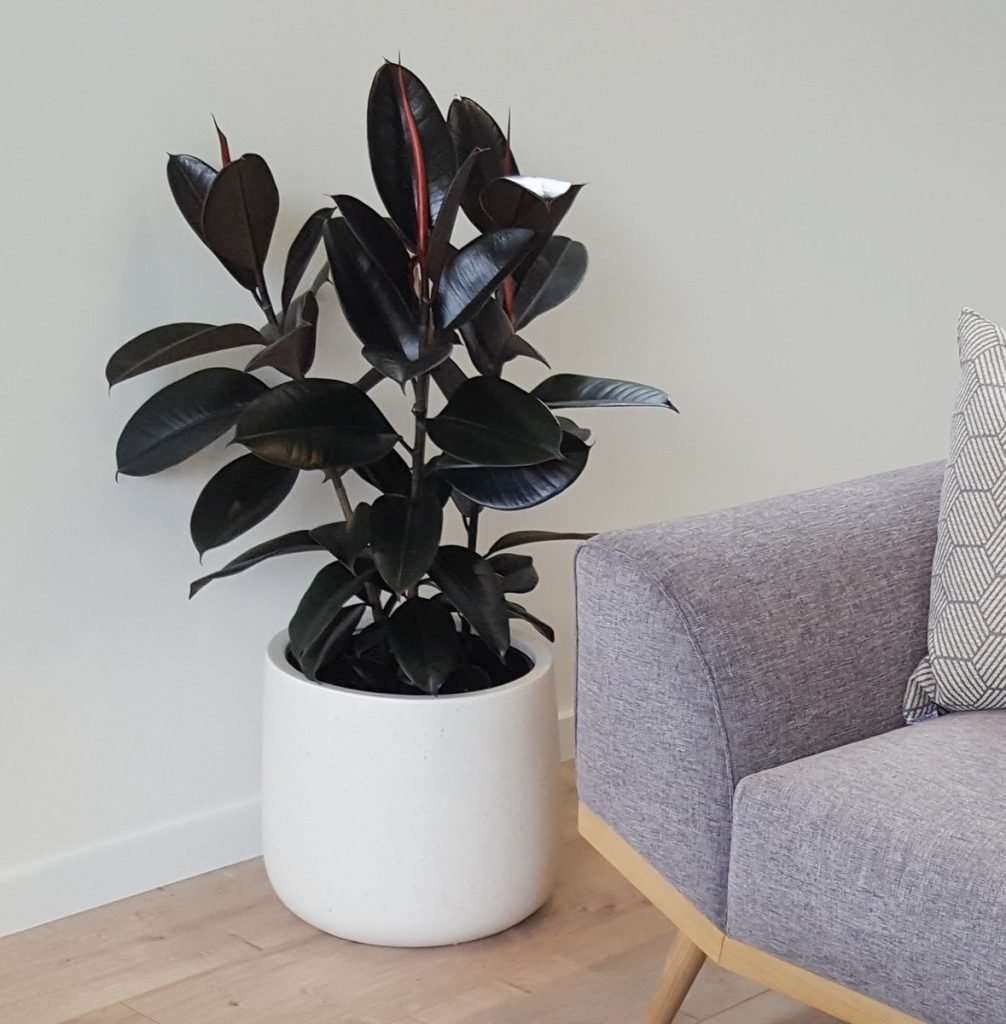
Rubber Tree Inspiration photos



rapping It Up
Caring for Rubber Trees is surprisingly straightforward once you understand what they actually need — bright light, consistent watering (but not too much!), and a bit of patience as they grow into statement pieces.
Remember, Rubber Trees aren’t just plants; they’re nearly indestructible survivors that have been gracing homes for generations. They’re so resilient that even if you accidentally chop one down, it’ll likely bounce back — these are the earthworms of the houseplant world!
Every plant (and every plant parent) has a learning curve, so don’t stress if things don’t go perfectly at first. Notice the glossy new leaves unfurling, celebrate when your plant adds a few inches of height, and enjoy watching it transform your space — that’s what makes plant care so rewarding. go perfectly at first.
Want More Plant Wisdom?
If you enjoyed this guide, we would love to share even more with you. We are always working on new resources, tips, and deeper plant-care guides to help you grow confidently.
👉 Join my free mailing list for updates, extra tips, and to be the first to know when I release new guides