
Dive into our lovingly crafted plant care guide – born from our own dirt-under-the-fingernails experience with every green friend in our collection. We’ve killed more plants than we’d like to admit (seriously, our compost pile has stories to tell), but those heartbreaks became the lessons we’re sharing with you today.
Each guide unpacks exactly what your plant needs to thrive – not just survive. We cover watering schedules that actually work, light requirements we’ve tested in real Auckland homes, and troubleshooting tips for when your plant starts throwing a tantrum (we’ve seen them all!).
Beyond the basics, we’ll share fascinating tidbits about your plant’s history, quirky care hacks we’ve discovered after years in the business, and insights that transform plant parenthood from stressful to joyful.
Our team at Plant & Pot NZ doesn’t just sell plants – we live and breathe them. Have a question not covered in our guides? Just flick us an email at [email protected] and chat with our team who can diagnose problems from a single leaf photo.
This isn’t just information – it’s your shortcut to building a genuine relationship with your botanical buddies, backed by our real-world experience across hundreds of plant varieties and thousands of happy plant parents across New Zealand and beyond.
Succulents and Cacti
Travel in an amazing atmosphere within the world of succulents and cacti; each species of the plants here will tell their own stories of endurance and loveliness. These plants have come from some of the harshest environments on Earth but developed very interesting adaptations to live in your house.
Embrace the light, warmth, humidity, and drought-loving nature of cacti and succulents. Much at home in largely arid habitats such as that of the Mojave Desert, where ample bright, warm conditions abound, the plants there have much of their own mastery to display as they bask. Their happiest spell is under the direct sun, and yet with moderation; for just as the natural shade of desert rocks and plants holds them from reaching a boiling point. Interesting to note, the rosette of Echeveria spreads to find light in an interesting spiral pattern, like graceful dancing, when underlit. The moderately to low humidity level of the environment mirrors their native arid climates and helps them toughen up.
Watering Wisdom: Though these plants are synonymous with drought tolerance, yet their water-storing ability—a marvel of evolution—still implies that they are lovers of a thoughtful watering regime. During the embrace of summer, water once a week to be a mirror of those rare but vital desert downpours to which these plants have become adapted. Through the cooler months, their water needs diminish, mirroring the low water use of a native landscape’s “winter whisper.” Succulents, although most of them can withstand tight planters without draining water to show their strength, in some cases, need your cautious watering routine to stay away from the risks related to excessively moist conditions. Their soil contains sand, pumice, or stones incorporated in it, which reflects the sandy, gritty land of the desert and most importantly acts as a cardinal ally in negating waterlogging.
A light touch of nutrients: Succulents and cacti have for long epitomized the very essence of minimum fuss and maximum elegance in their rugged, minimalist habitats.
They would require very little but give much in return. All that is required to meet their modest nutritional requirements is a spare amount of slow-release fertilizer each spring, much as their native rocky landscapes provide small but rich resources. When you care for these hardy wonders, it’s more than nurturing a plant; you’re keeping up and interacting with a living piece from one of the world’s most extreme ecosystems right in your very own home.
Ferns
Discover the lush world of ferns, in which every frond seems to tell a tale from the age of great forests and mottled sunlight. Ferns are one of the first plants on Earth, tracing its lineage back over 300 million years. Flourishing under the embrace of canopies in the forest, that is definitely durable grace and adaptability.
Light, warmth, and humidity: you think of the peaceful understory of a forest where ferns are home to a dance of light and shadow. They are in search of the gentle warmth of a room that is cozy but never sweltering, bathed in a cascade of indirect sunlight. This would, in the most general sense, emulate the native habitat by sitting under the larger plants and trees, where the direct sun would seldom strike their delicate fronds. Copying their humid embrace of woodland homes, ferns prefer from moderate to high humidity—a real contrast to the desert dries evident in most modern homes. Beware, direct sunlight is to ferns what a harsh wind is to a butterfly’s wing – it can burn their tender leaves.
Watering Rituals—Where to place: In the wild, ferns often nestle by a stream or in moist, forest soils. The bond with water, in essence, becomes intimate.
Through warmer seasons, watering the plant with water similar to the humidity of its natural growing surrounding should be okay. As the cold of winter comes on, their thirst will be slowed in pace to the more leisurely rhythm of the season. That would check the soil every now and then, if not daily, to make sure it is moist but with good drainage, pretty much the same as the whole forest floor is damp. A soft misting is not watering; it is a return to the morning dew in their evolutionary forest.
Nutrient Nourishment: Growing wild in soils of rich, composted teeming nutrients, with its simple beauty, ferns most often find themselves. This natural enrichment reverberates in the potted home. When a fern comes to visit your space, the soil comes with it, full of that life-giving compost. In spring, by adding slow-release fertilizer, it becomes subtler, kind of like a sprinkle of nutrients from the forest canopy above—sustaining their verdant splendor. To care for a fern is to grapple with an ancient lineage, a living link to the primordial forests and timeless natural beauty. Every unfurling frond holds more than just leaves; it holds stories of a world vastly dissimilar and long gone before our own.
 Palms
Palms
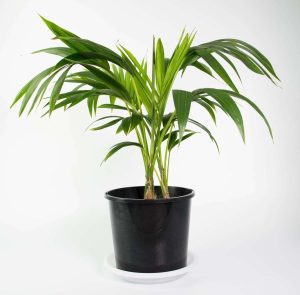
Step into the world of indoor palms, where each frond whispers tales of ancient jungles and tropical breezes. Palms, with their graceful stature, have stood as silent witnesses to the eons, dating back to the time of dinosaurs. They bring a touch of the tropics into your home, merging prehistoric elegance with modern aesthetics.
Light, Warmth, and Humidity: Imagine the dappled light of a tropical forest – this is the realm where palms flourish. They yearn for warm, bright spaces where direct sunlight is a stranger, lest their majestic leaves bear the harsh kiss of scorch. Too little light, however, and they’ll grow languidly, longing for the sun-drenched clearings of their ancestral homes. Room humidity suffices to sustain them, but beware – dry air is anathema to their tips, turning them brown as if touched by a desert’s breath. And like the tropical creatures they are, a sudden chill or draft brings unsightly brown blemishes to their leaves, reminiscent of cool nights in otherwise warm habitats.
Watering Wisdom: In their natural rainforest homes, palms bask in frequent downpours, interspersed with periods of drying. In your care, watering twice a week in summer’s heat mimics this rhythm, slowing to once weekly as winter whispers its cooler tales. Palms beseech you to let the topsoil dry out between waterings – a plea for balance, as overwatering is their silent foe, especially in pots where water can’t escape. Ensure their roots don’t sit in water, as though avoiding the overly soggy forest floors.
Nourishing the Giants: As spring awakens and midsummer suns blaze, a dose of liquid houseplant fertilizer, or better yet, one specially crafted for palms, encourages the unfurling of new fronds. It’s like the nutrient-rich rainfalls in their tropical havens, fostering growth and vitality.
Additional Care: Occasionally, let your palms revel in a warm rain, nature’s way of cleansing their fronds, or gently wipe them with a damp cloth, mimicking the gentle touch of rainforest mists. It’s natural for lower fronds to age and brown – a gentle pruning keeps them in primeval elegance.
In tending to your indoor palms, you’re not just nurturing a plant; you’re sustaining a living piece of history, a connection to a world where giant reptiles roamed and nature reigned supreme.
 Ficus Rubber Tree
(Note: this guidance does not apply to the Fiddle Leaf Fig).
Enter the world of Ficus trees, where each leaf unfolds a story of resilience and adaptability. Ficus, a genus that includes over 800 species, is a remarkable testament to the diversity and strength of the plant kingdom. From the majestic Rubber Tree to the delicate Ficus Benjamina, these trees are more than mere plants; they are living sculptures adorning homes with a touch of nature’s artistry.
Light, Warmth, and Humidity: Picture a Ficus tree basking in the dappled sunlight of a tropical rainforest. In your home, they seek a similar environment – a warm, draft-free room that echoes the gentle climates of their native lands. The moderate to high humidity mimics the moist air of these lush regions, cradling the Ficus in a familiar atmospheric embrace. While most Ficus varieties luxuriate in bright, indirect light, the resilient Rubber Tree is a study in versatility, thriving even in the more subdued light of understory realms.
Watering Rituals: In their natural habitat, Ficus trees experience a rhythmic dance of rain and sun. Emulating this, a weekly watering allows them to drink deeply, just as they would during a tropical downpour. But patience is key – wait for the top 1cm to 2cm of soil to dry before the next watering, mimicking the natural drying of soil in their native forests. Ensuring no water lingers in the pot or tray is akin to avoiding the waterlogged soils that are anathema to their roots.
Nurturing Growth: As the seasons turn from the rejuvenating spring to the vibrant midsummer, a dose of liquid houseplant fertilizer is all that’s needed to encourage lush growth. This nutritional boost is like the rich, organic matter that nourishes them in the wild, ensuring their leaves remain vibrant and their stature stately.
In caring for a Ficus, you’re not just growing a tree; you’re nurturing a piece of the tropics, a living link to some of the most biodiverse ecosystems on our planet. Each new leaf is a testament to the enduring beauty and diversity of nature.
Philodendron Giganteum ‘Blizzard’
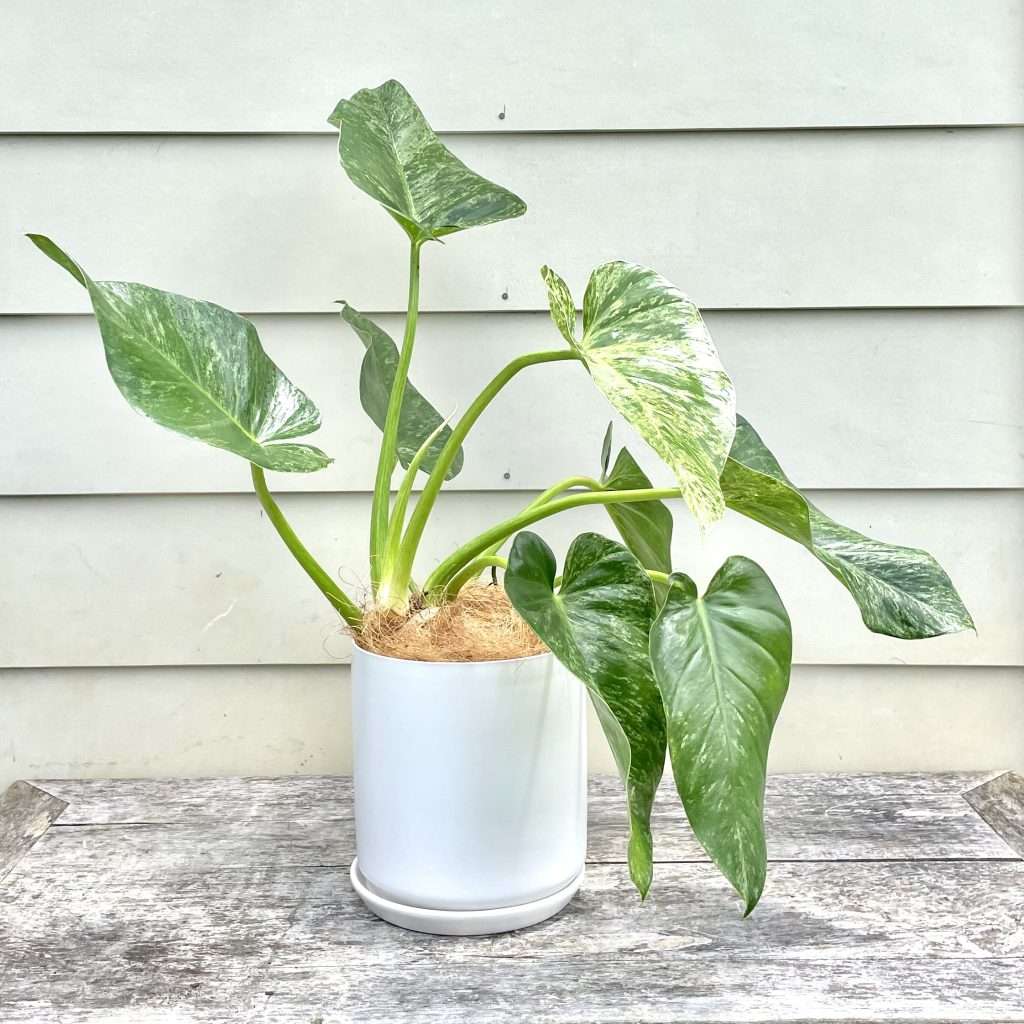
These plants aren’t just any houseplant – they’re a living tapestry of the jungle floor that looks like a Siberian blizzard at its finest! This stunner combines the bold size of the classic Giganteum with striking white marbled variegation, making it one of the most awe inspiring philodendrons you’ll ever see.
What makes this beauty so special? It didn’t just emerge from the jungle looking this way. The Snow Leopard is the result of a spontaneous mutation – one leaf showed off a rare white pattern, and through careful propagation and tissue culture, growers replicated that gorgeous mutation to create the plant we now know. You won’t find this exact variegation growing naturally in the wild – it’s a cultivated masterpiece!
Light Requirements
This plant is a gentle giant – there leaves can grow as large as a small dog when mature and in the correct enviroment! Because of its snowy white variegation, it actually needs more light than regular green Philodendrons. Those white parts don’t photosynthesize – so the green sections have to work extra hard to absorb the light.
Bright indirect light near a window is perfect, just monitor your sun throughout the day and test where it comes from. The brighter the better (without direct sunlight that can burn those precious leaves).
Our tried-and-tested rule: If you struggle to read pages in a book in that spot, then your Blizzard probably isn’t getting enough light either.
Temperature & Humidity
These jungle beauties prefer nice and warm and snug environments around(68-77°F), and no lower than 15 degrees Celsius (59°F) at night.
They do prefer higher humidity, however we know this isn’t always possible in everyone’s environments! As long as it holds around 50 percent relative humidity, your Blizzard will be fine. If you notice crispy edges, a start by raising your humidty.You can do this by using a humidifier (misting is a waste of time, but if you feel like you’re doing something then you be you).
Watering Rituals
In the heart of the jungle, rainfall follows a natural rhythm. Mimic this in your care by watering your Philodendron about once every two weeks, allowing the top 1-2cm of soil to dry out between waterings. You can check with your finger, chopstick, or a moisture meter.
These plants prefer to dry fully out between waterings, so find that Goldilocks point when it’s time to remoisten the soil. Don’t overwater these plants – they hate it! Better to underwater than overwater.
They actually usually tell you when they’re thirsty by curling their leaves inward – this is a good sign to water your Blizzard! Be vigilant in ensuring excess water drains away, as stagnant water is as foreign to them as a desert to a dolphin.
Water quality tip: Use filtered or rain water as they’ll start showing yellowing around the tips due to high chlorine or mineral levels in tap water. They can tolerate tap water, but they won’t be their happiest!
Nutrients – Feeding Your Jungle Dweller
A simple feeding of liquid houseplant fertilizer is sufficient to sustain their lush growth. In the summer with bright enough light, you can go a bit more aggressive by feeding weekly – they’ll love you for it!
Be sure to dilute the mix properly, as less is more. Remember they have massive leaves that need plenty of nutrients. You can also use liquid seaweed to enhance its resilience to stress, and by adding silica in every other feed, you can harden the strength of the stems and those big aerial roots.
Pro Plant Tips
This plant is clingy – literally! As a natural climber, it thrives when given a moss pole or coir pole to grip. Without support, it may try to climb walls, other plants, or even you!
Its robust roots allow it to re-anchor itself if it tips or topples, showcasing nature’s built-in resilience. These aerial roots can also be trimmed down if they get too out of control – this won’t cause stress to the plant.
If you want to see this beauty live in action watch this video.
 Orchids
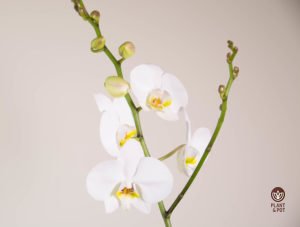
Welcome to the alluring world of Orchids, where each bloom is a masterpiece of nature’s artistry. Orchids are not just flowers; they are symbols of elegance and exotic beauty, with a mystique that has captivated humans for centuries.
Light, Warmth, and Humidity: Envision a warm, sun-kissed glade in a tropical forest – this is the ideal haven for an Orchid. These exquisite plants thrive in bright, but not direct, sunlight, much like the filtered light that caresses them in their native habitats. They favor moderate humidity, reminiscent of a gentle, tropical breeze rather than the intense moisture of a rainforest.
Watering Wisdom: The rhythm of watering an Orchid echoes the ebb and flow of tropical rains. In the summer’s embrace, a weekly watering sustains their vibrant blooms, slowing to a gentle pace as winter whispers its cooler tales. To water, remove the inner pot and let water flow through it like a tropical stream, ensuring it never lingers, as standing water is anathema to their roots. And remember, their leaves are like the delicate wings of a butterfly, best left dry to avoid any harm.
Nourishment for Blooms: To coax out their stunning flowers, a monthly addition of liquid Orchid fertilizer to your watering ritual is akin to the rich nutrients found in their lush, forest homes. This gentle feeding encourages the spectacular displays of blooms for which Orchids are renowned.
Reviving the Splendor: After your Orchid has graced you with its flowers, a simple pruning above the first strong bud, about 20 cm above the pot, sets the stage for a glorious encore. With patience and care, your Orchid will embark on its cycle of rebirth, promising new blooms within 6 to 8 months, a testament to the enduring cycle of life and beauty in the plant world.
In caring for an Orchid, you are tending to a living jewel, a botanical treasure that connects you to the farthest reaches of the natural world, where beauty and elegance reign supreme.
Purple passion
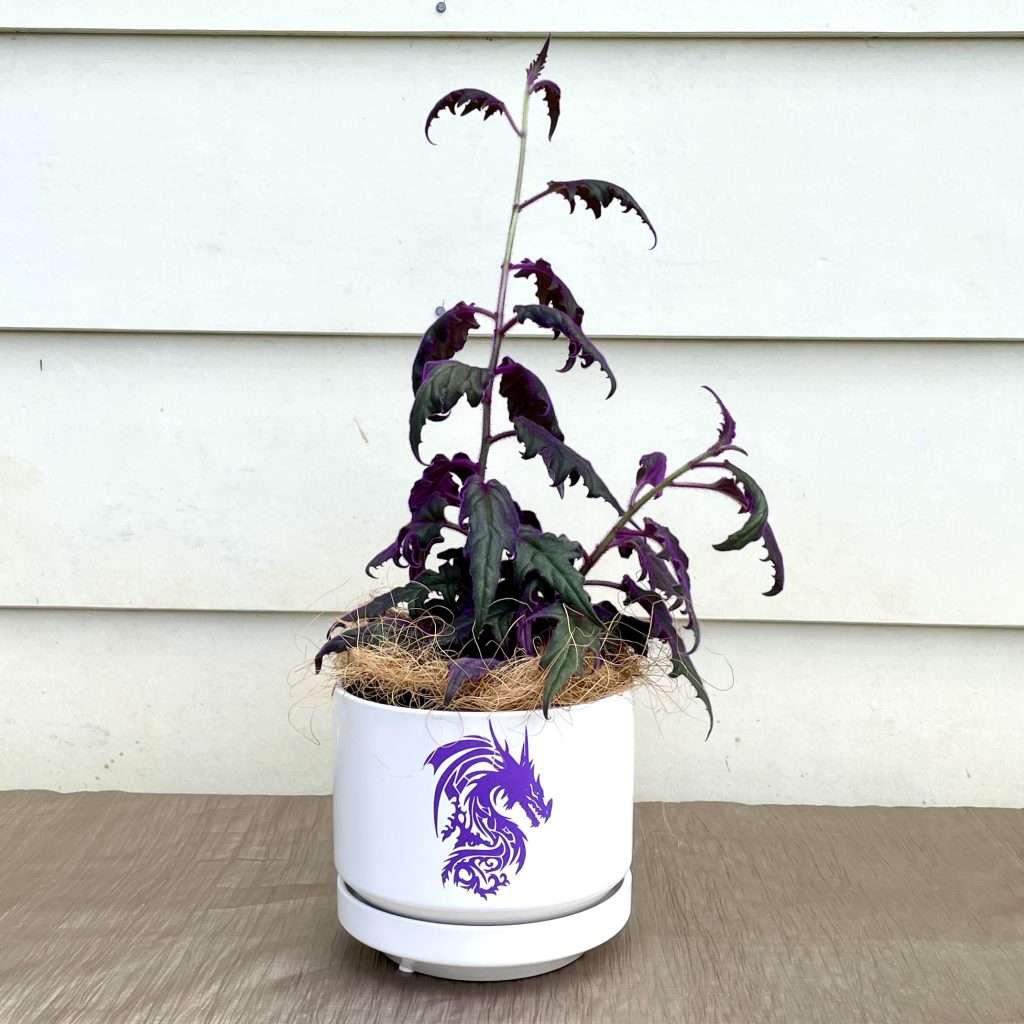
Step into the vibrant world of the Purple Passion Plant, a living tapestry of rich purples and greens. This plant is not just foliage; it’s a celebration of color and texture, a botanical jewel that enchants with its unique violet hairs.
Light and Radiance: Bask your Purple Passion Plant in moderate to bright indirect light, much like the dappled sunlight of a tropical understory. It’s these gentle rays that coax the fine violet hairs on its leaves to shimmer and shine, creating that mesmerizing purple glow. Ensure it receives enough light to maintain its vibrant hue, a reminder of the lush, light-filled habitats it thrives in.
Watering Rituals: Like morning dew on a violet petal, water your Purple Passion Plant with care. Let 25% of the soil volume dry out, then water evenly, avoiding the leaves. The unique hairs on the leaves can trap moisture, turning them into miniature reservoirs that may cause waterlogging.
Humidity and Atmosphere: Your Purple Passion Plant flourishes in a humid environment, echoing the moist air of its native habitat. Instead of misting, which it shies away from, use a humidifier or create a pebble tray. This mimics the natural humidity of a tropical paradise, without the discomfort of wet leaves.
Comfortable Climate: A range of 60–70°F is ideal, resembling the stable, warm temperatures of a forest floor, away from harsh extremes.
Feeding the Colorful Splendor: During the growth months of spring and summer, a monthly feeding with a diluted all-purpose liquid fertilizer keeps it lush and vibrant. This is akin to the nutrient-rich rains that sustain it in the wild.
Safe for All: An added delight is its non-toxic nature, making it a safe and beautiful addition to homes with pets and children.
Additional Care and Revival Tips: Witnessing flowers signals the plant’s maturity, a natural progression in its life cycle. However, removing these flowers can extend its vibrancy and lifespan. If you notice a fading in color, it could be due to insufficient light, inadequate watering, or simply the plant’s age. Providing ample light, maintaining consistent watering, and keeping it in a warm, bright location can help preserve its stunning purple hue.

Manjula Pothos
Embrace the elegance of the Manjula Pothos, a captivating display of nature’s artistry. This pothos variety is a symphony of variegated foliage, showcasing heart-shaped leaves in a mesmerizing blend of white, green, and cream. It’s not just a plant; it’s a statement piece, a living sculpture that brings a touch of the exotic to your space.
Light and Radiance: Treat your Manjula Pothos to bright, indirect light, much like the gentle embrace of a forest canopy. This light is crucial for maintaining the distinct variegation of its leaves, a celebration of its vibrant spirit. Avoid harsh, direct sunlight, which can mar the beauty of its delicate foliage. The right light conditions are like a soft whisper to the leaves, urging them to reveal their full splendor.
Watering Rituals: Water your Manjula Pothos with a touch as tender as a morning mist. Allow the top 2 to 3 inches of soil to dry out before watering thoroughly. This plant is forgiving, resilient to the occasional lapse in memory, bouncing back with grace. This ritual of watering is not just about nourishment; it’s about maintaining the perfect balance for its roots to thrive.
Humidity and Atmosphere: The Manjula Pothos thrives in standard household humidity but revels in a bit more moisture in the air. Consider placing it in naturally humid rooms like bathrooms or kitchens or near a humidifier. This mirrors the warm, humid air of its tropical origins, a subtle embrace that encourages its lush growth.
Comfortable Climate: Aim for a temperature range of 60–80°F, which reflects the stable, warm conditions of its native habitat. Protect it from cold drafts and sudden temperature changes, which are as jarring to it as a cold snap in a tropical paradise.
Feeding the Verdant Wonder: During the growing seasons of spring and summer, a monthly feed with a balanced liquid fertilizer encourages its health and variegation. This is like the nourishing tropical rains, enriching its world with essential nutrients.
Safe for All: While the Manjula Pothos is a stunning addition to any home, be aware of its toxic nature if ingested. Ensure it is placed thoughtfully, considering the safety of pets and young children.
Additional Care and Revival Tips: If you notice any loss of variegation or vigor, consider adjusting its light exposure or watering routine. Propagation through stem cuttings can rejuvenate your Manjula Pothos, encouraging new growth while sharing its beauty. This is not just care; it’s a way to deepen your bond with this extraordinary plant, understanding its needs and rhythms, and ensuring it continues to grace your home with its unique presence.
Monstera Deliciosa

The Monstera Deliciosa — a plant with more nicknames than a kid in school. Commonly known as the Fruit Salad Plant, Swiss Cheese Plant, or simply “Delicious Monster,” this iconic beauty gets its name from the Latin word monstrous, thanks to its huge, dramatic leaves.
Those striking holes and splits in the foliage aren’t just for looks — they’re called fenestrations, derived from the Latin word for “windows.” These clever natural cut-outs help light filter through to the lower leaves, preventing them from being shaded out by the plant’s own massive growth. It’s a smart little evolutionary trick!
But what if you don’t want your Monstera turning into a wild jungle octopus, sending aerial roots across the room like it owns the place? Let’s keep things chic and tidy. Here are 3 essential steps to help your Monstera grow tall, slim, and stunning
1. Train the Stems Early
Use garden ties, Velcro, or soft twine to gently tie the stems together and train your Monstera to grow upright. Keep adjusting the ties as the plant grows — this helps prevent a sprawling, messy look and keeps things sculptural and tidy. No polls required.
2. Prune Unruly Aerial Roots
Trim back excessive aerial roots that start growing wild or trying to anchor into furniture or walls. Removing them won’t harm the plant but helps prevent it from “taking over” and keeps the structure lean.
3. Rotate Weekly
Monsteras naturally grow toward the light, so without rotation, they’ll lean heavily in one direction. Turn the pot slightly each week to encourage balanced, upright growth — this helps maintain that sleek, columnar shape.